The development phase will finalise route design, environmental and planning approvals, land acquisition and procurement preparation. It will also assess public and private financing options before a final investment decision. The High Speed Rail Authority has released the project’s business case alongside the announcement .
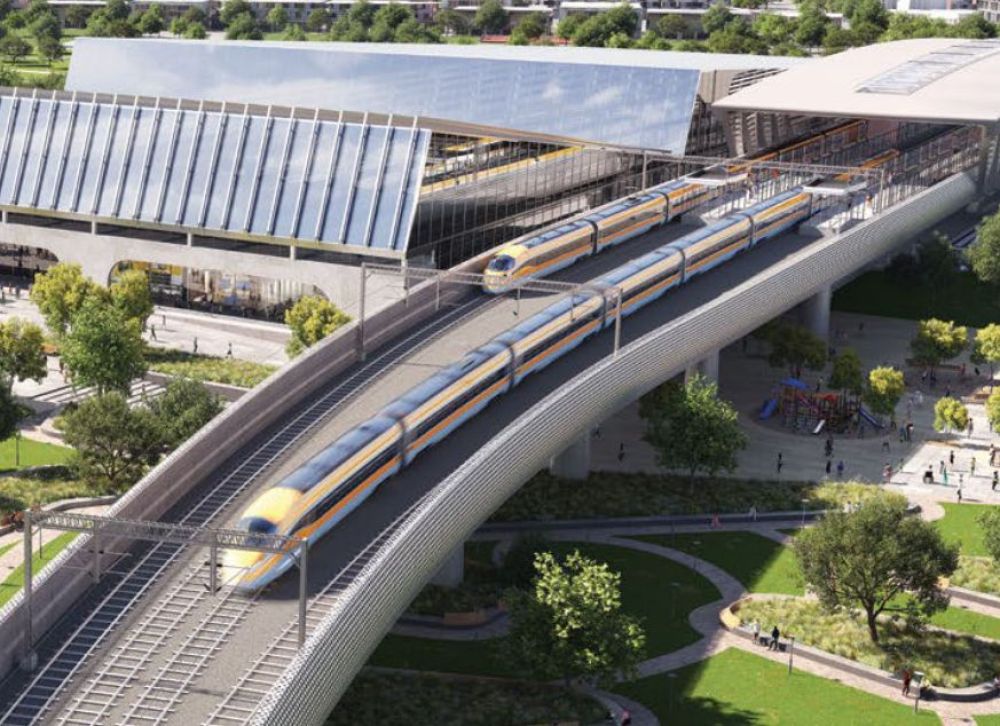
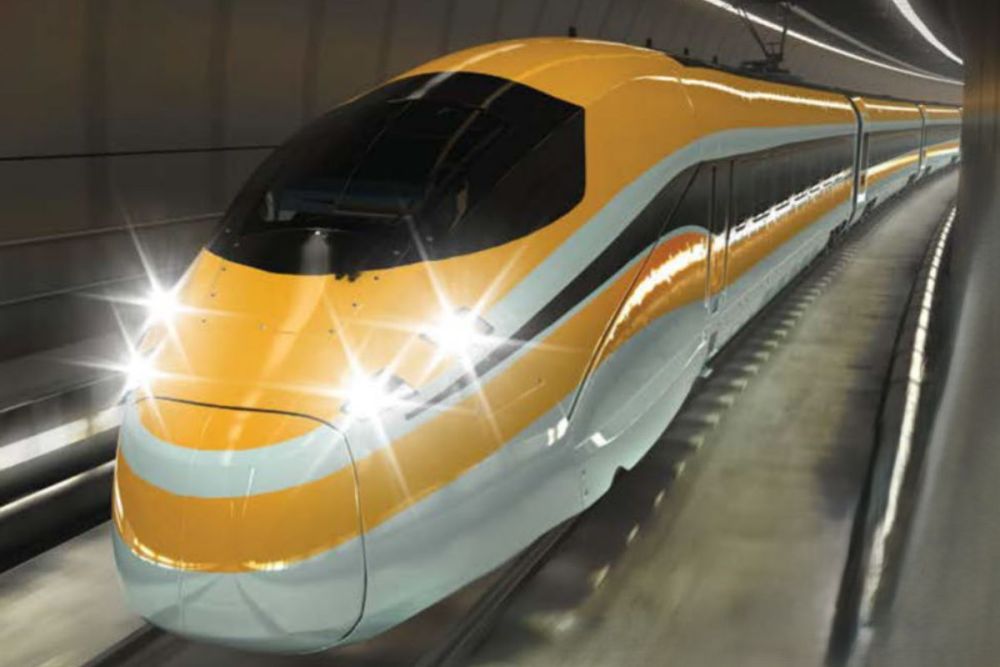
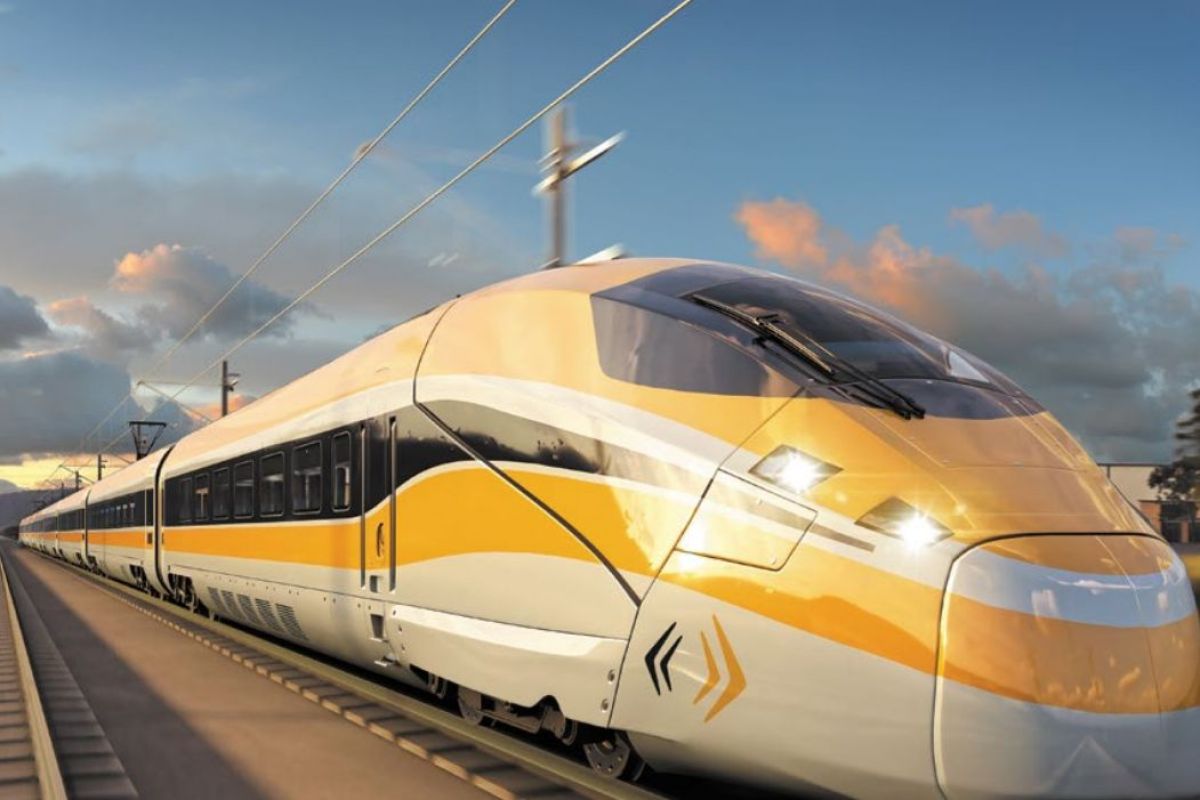
Line 1 will operate on a dedicated alignment designed for speeds of up to 320 km/h. Journey times are projected at around one hour between Newcastle and Sydney and 30 minutes between the Central Coast and either Newcastle or Sydney . Stations are proposed at Newcastle (Broadmeadow), Lake Macquarie (Morisset), Gosford on the Central Coast, Sydney Central, Parramatta and Western Sydney International Airport .
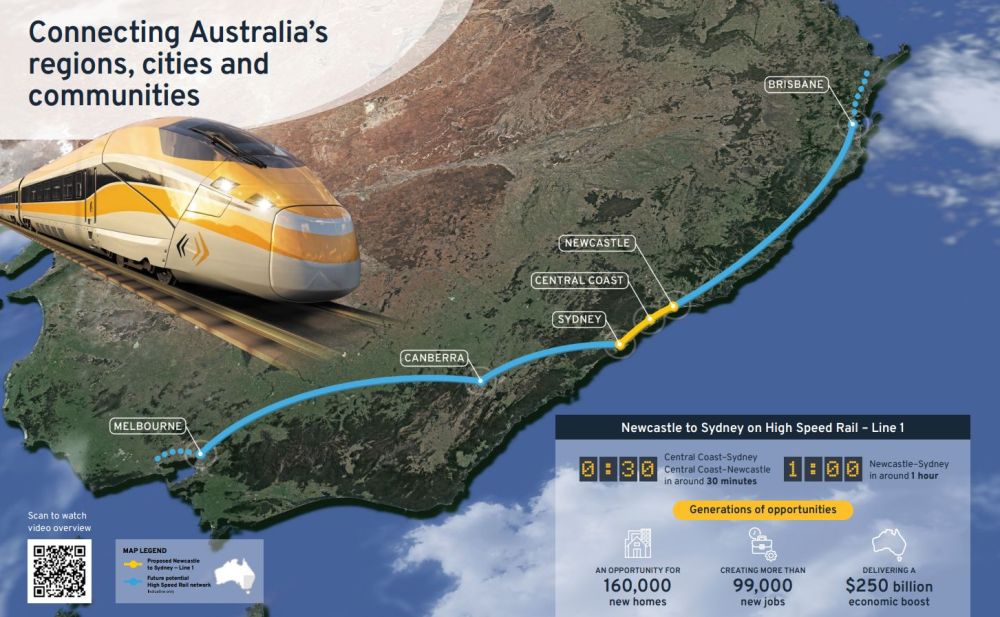
According to the business case, the corridor could unlock capacity for up to 160,000 new homes by 2061 and support more than 99,000 additional jobs across Newcastle, the Hunter, the Central Coast and Sydney . The project is forecast to increase national economic activity by more than AUD 250bn (EUR 152bn) over the long term .
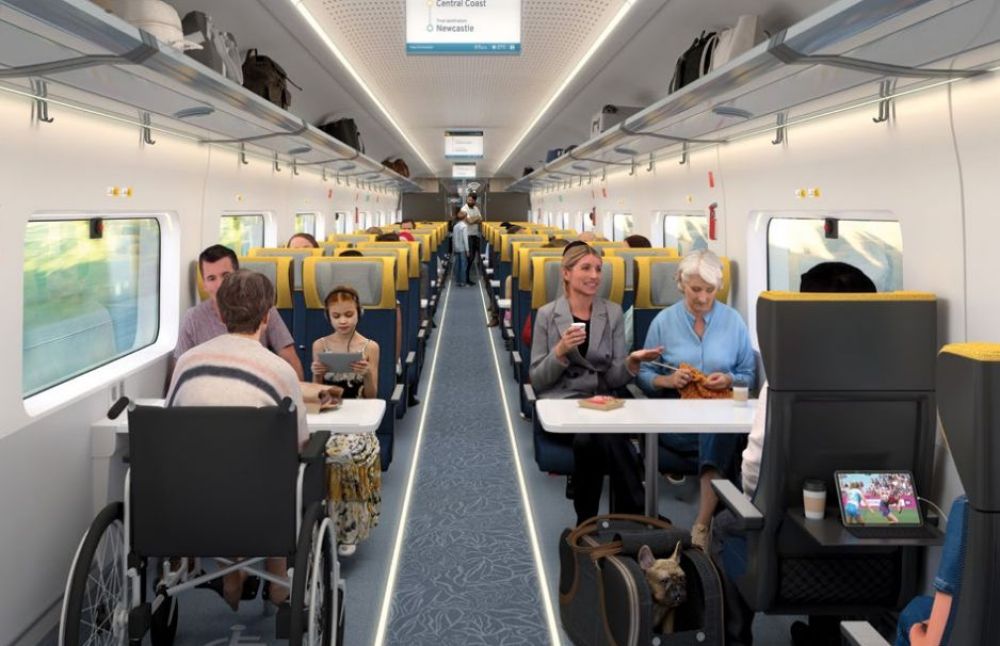
The Newcastle–Sydney corridor is currently Australia’s busiest regional rail route, carrying around 15 million passengers annually and forecast to reach capacity in the early 2040s . Existing rail services share infrastructure with freight, and the parallel M1 Pacific Motorway records more than 31.5 million trips a year .
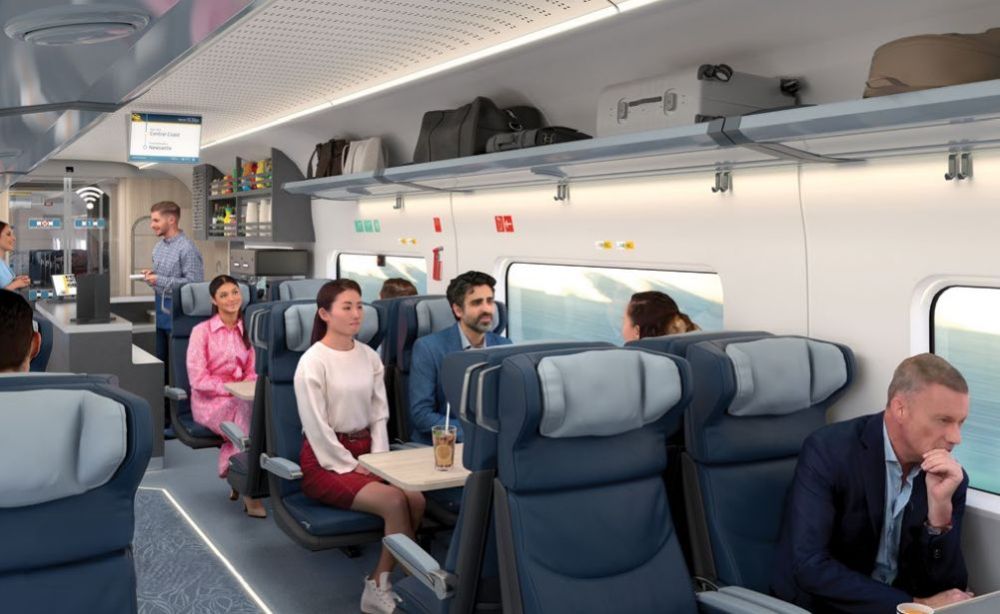
The scheme includes 115 km of twin-bore tunnels, 38 km of bridges and viaducts and 41 km of surface alignment . Trains are expected to accommodate around 520 seated passengers in standard and business class configurations.
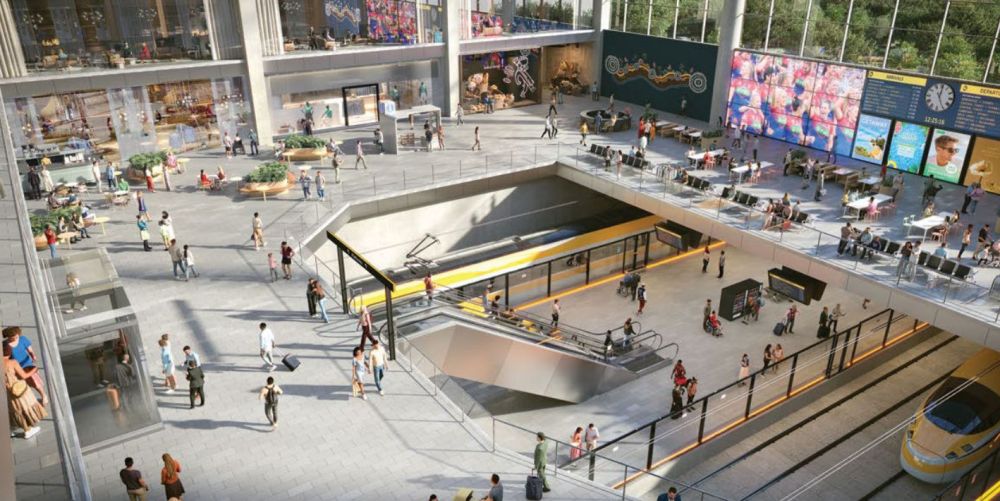
The Newcastle–Sydney section is the first stage of a proposed east coast high-speed network linking Brisbane, Sydney, Canberra and Melbourne. The High Speed Rail Authority, established in 2023, is overseeing development of the programme .