A comprehensive report published by Fundacja ProKolej and Wydawnictwo Adam Marszałek outlines a series of regulatory, infrastructural, and financial proposals aimed at reversing the declining competitiveness of rail freight transport in Poland.
Economic behaviour and pricing sensitivity
The report builds its foundation on a detailed analysis of price elasticity of demand in rail freight. With an average elasticity of -0.79 and relatively low deviation (0.11), the findings suggest that businesses quickly adapt to changes in pricing by switching between transport modes. The elasticity is notably higher for rail compared to road, indicating greater price sensitivity among rail freight customers.
The elasticity is lowest among firms with no alternatives to rail, particularly those transporting bulk commodities under rigid technological conditions. On the other end, companies with flexible logistics chains tend to switch more easily between rail and road, based on price changes. Intermodal freight exhibits near-zero elasticity, underscoring its resilience to cost fluctuations and its structural reliance on rail-road integration.
Infrastructure limitations
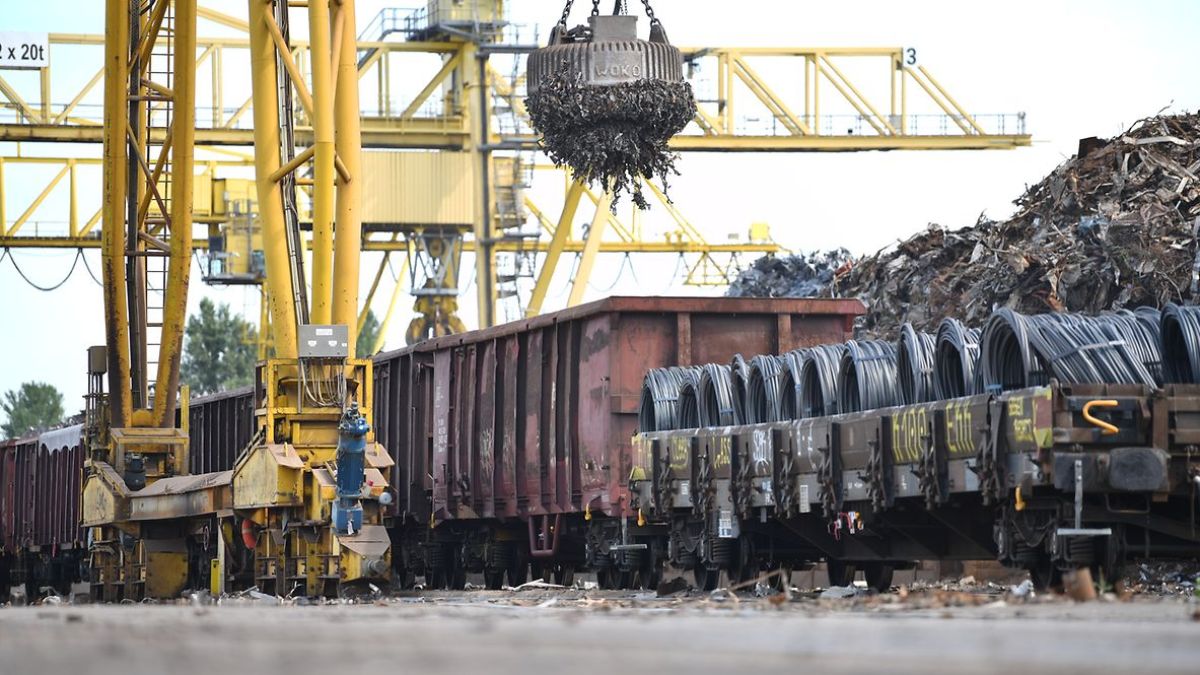
A central thesis of the report is the lack of sufficient transshipment and access infrastructure. In Poland, private sidings (bocznice) and public freight terminals are unevenly distributed. As of 2021, there were 849 sidings nationwide—about 43 per 1,000 km of rail line—with a strong concentration in Upper and Lower Silesia. Many sidings primarily serve bulk commodities, raising questions about long-term viability in the context of EU climate policy.
Infrastructure constraints also extend to publicly accessible terminals. According to the report, key logistics centres built in recent years often lack rail connectivity, reinforcing road dependency. Proposals include mandating rail access for new logistics parks above 10 hectares located within 5 km of a mainline.
Capacity and speed deficits
Polish rail freight faces performance issues tied to network capacity. In 2021, the average commercial speed of freight trains was just 23.4 km/h. In contrast, speeds in the Netherlands and Portugal reached 65 km/h and 54 km/h, respectively. Only 42% of freight trains arrived on time in 2021, with average delays exceeding seven hours.
The report identifies causes such as limited siding lengths, outdated infrastructure, and prioritization of passenger traffic. Recommendations include extending sidings to at least 750 metres and increasing the number of passing loops and signal boxes to accommodate mixed traffic without disruption.
Support for dispersed and intermodal traffic
Poland’s support for dispersed wagonload services remains minimal, despite these being the most vulnerable to competition from road transport. Examples from Austria, Hungary, and Germany are cited, where subsidies are used to lower access charges or directly support single-wagon operations.
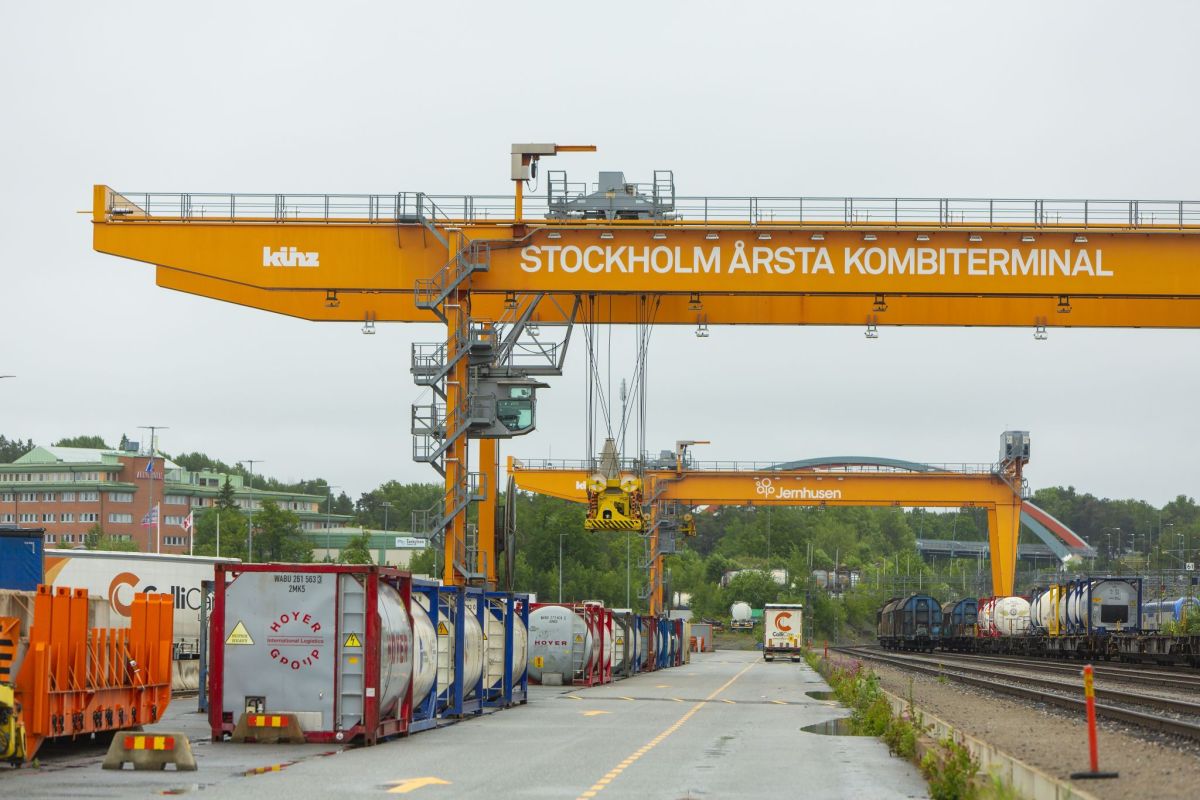
In contrast, Poland's approach has focused more heavily on intermodal freight. Although over 40 intermodal terminals exist, density is low at 0.8 per 10,000 km²—far below Germany (5.2) and the Netherlands (12). Three voivodeships still have no such terminals.
The report calls for targeted investment to reduce average terminal access distances to 40–80 km.
Financial recommendations and investment models
To address the infrastructure gap, the report proposes several public intervention mechanisms:
- Subsidies for constructing or modernizing sidings and loading equipment.
- Mandatory, no-cost connection to the national rail network within six months for eligible sites.
- Public service obligations (PSOs) for single-wagon freight, selected through competitive tenders.
- Reduction of property taxes and regulatory burdens on siding operators.
A referenced scheme in Germany provides €3 million in regional aid over 2020–2024, covering up to 50% of investment costs. The report recommends a similar model for Poland, supported by EU funds and domestic programs such as the “Fundusze Europejskie na Infrastrukturę, Klimat, Środowisko 2021–2027”.