A new initiative between Network Rail and South Western Railway (SWR) has more than doubled the number of trains treating the railway and keeping the tracks leaf-free this Autumn. In a first for the railway across the south of England, a SWR-inspired and Network Rail-funded project to improve rail adhesion has seen 39 SWR Class 158 and 159 trains retrofitted with specialist technology that applies sand to the tracks to help improve wheel grip during the wet and slippery autumn and winter months.
Every year between October and December, about 500 billion leaves fall on the railways. They weigh about half a million tonnes. They stick to the damp rails and passing trains crush them into a thin, hard layer on the rail. This can affect braking and acceleration in a similar way to black ice on the roads.
“This sand applicator technology and partnership with SWR will undoubtedly help extend and complement our efforts to rid the tracks of leaves and help trains to better grip the tracks even in the wettest and slippery of conditions,” said Mark Goodall, Network Rail’s Wessex Route Director.
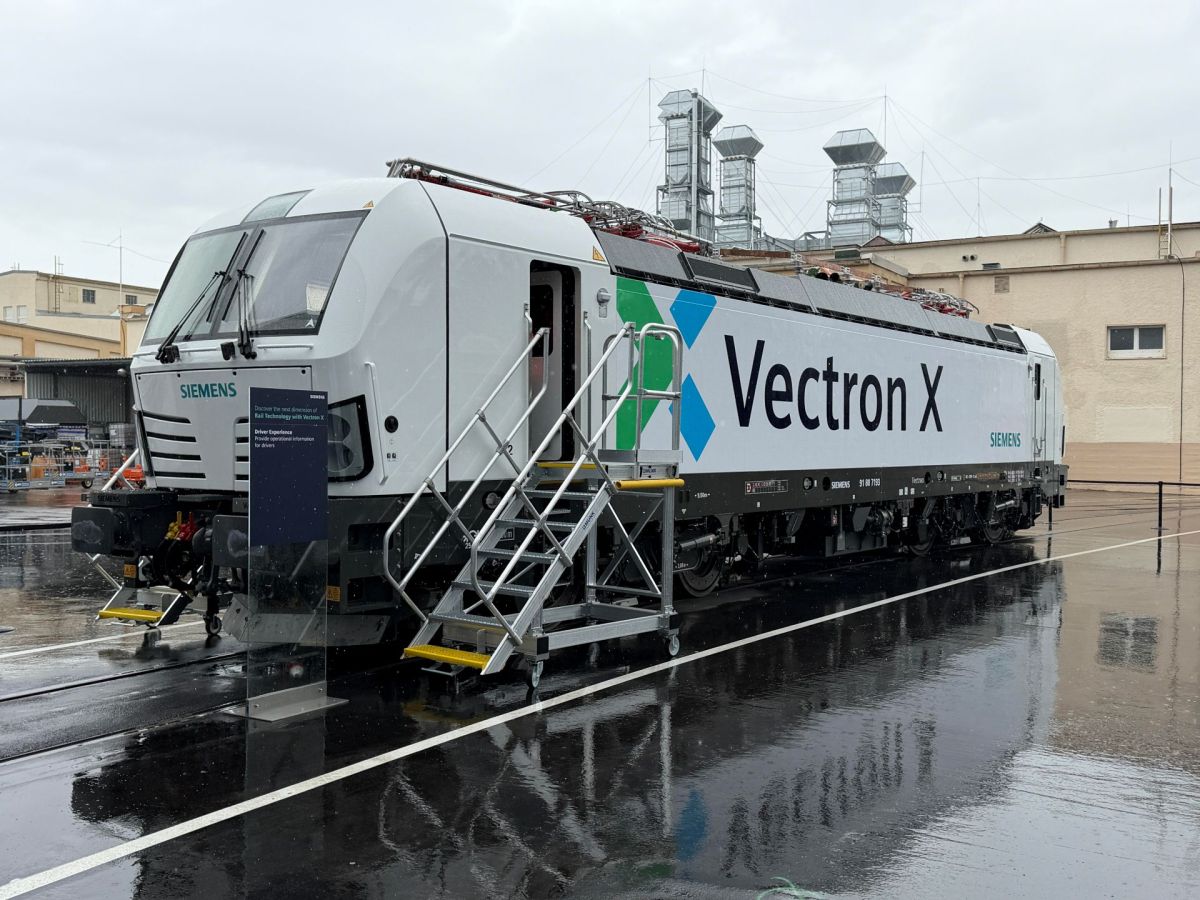
The technology, developed and installed by Siemens Mobility, is an upgrade to existing sanding mechanisms already fitted on some trains, by providing a more efficient sanding application that releases sand at a variable rate dependent on the speed of the train and condition of the tracks.
These new advanced sand applicators can apply up to 5kg of sand per minute to the track. Sand is also applied automatically when the train brakes. The result is a significant reduction in the length of time a train is at a standstill.

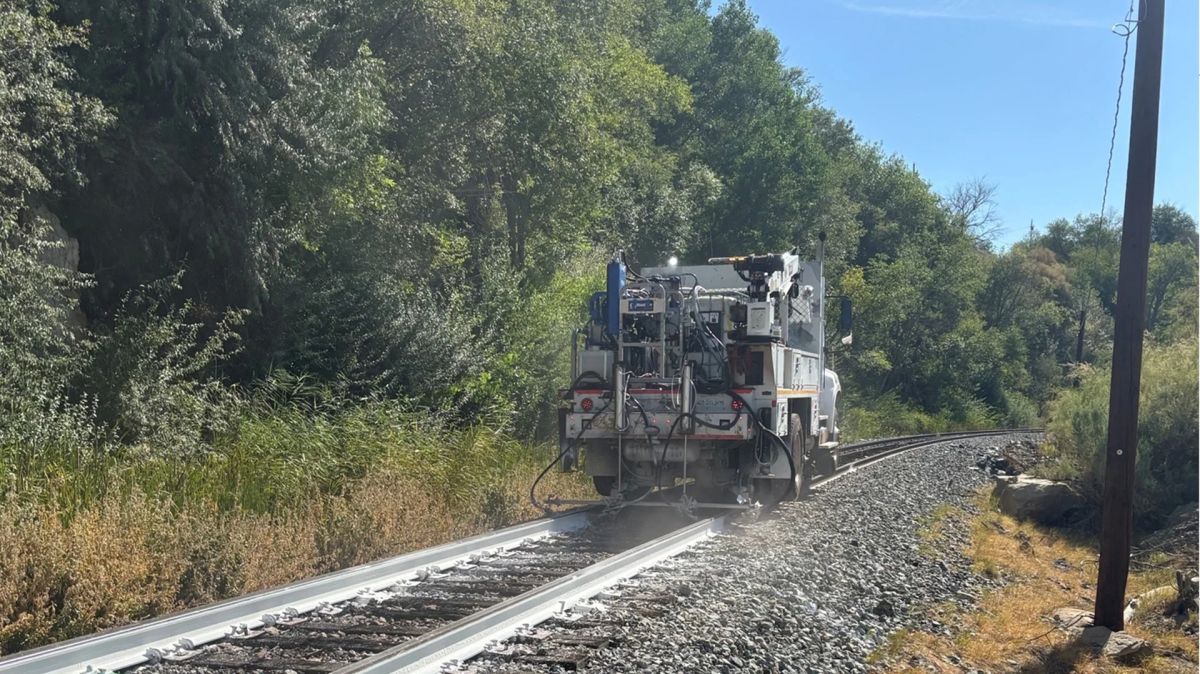
Each autumn, a fleet of multi-purpose vehicles travels up to 40 times around the world. The multi-purpose vehicles are used for a variety of tasks on the railway, including weeding, de-icing and cleaning the railhead to ensure the train wheels stick to the tracks. The special trains are equipped with high-pressure water jets to blast leaves off the tracks and, where necessary, apply a sand-like gel to help trains grip the rails. They will be working across Network Rail's Southern region until mid-December, treating a total of 318,000 miles of track - about 12 times around the world - and working tirelessly to clear the railway of leaves.
Network Rail is also using Interflon LeafGuard, a fast-acting rail cleaner that does not require rinsing or wiping, following a successful trial on the Wessex line last year. Applied either by hand or using a Sand Rover - a specially adapted 4x4 Land Rover vehicle that can travel on rails and roads, using specially mounted wire brushes to scrape slippery leaf mulch from the tracks - the solution is self-cleaning and leaves a micro-layer that is reactivated by rainwater and moisture, keeping the rail head surface clean for longer.