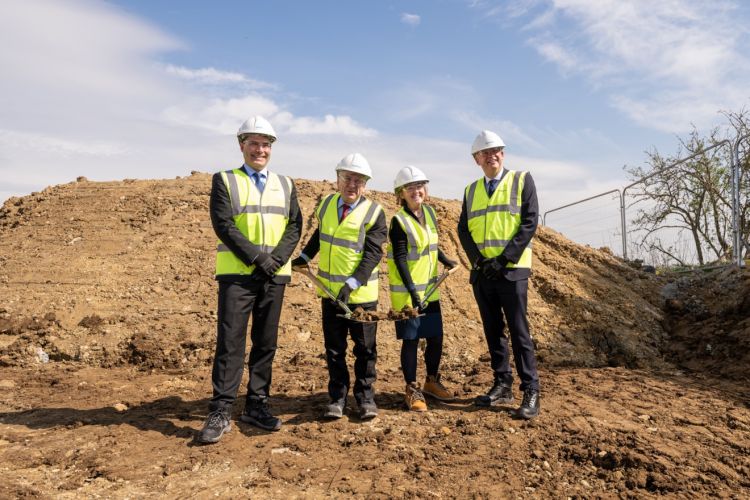
Siemens Mobility has commenced construction of a new rail infrastructure facility in Chippenham, Wiltshire. The planned facility will accommodate approximately 800 employees and support both domestic and international projects. Siemens Mobility’s plans include functions spanning manufacturing, digital engineering, and research and development, aligned with the ongoing transformation of rail control and signaling systems.
Production is expected to contribute to the supply of equipment and solutions for the UK market, as well as exports to other regions. The new centre consolidates existing activities under a single location, which is designed to serve long-term technological and industrial needs in the rail sector.
Infrastructure specifications and sustainability features
The Chippenham site will be developed to BREEAM ‘Excellent’ certification standards, reflecting compliance with established building sustainability criteria. The layout will include energy-efficient production spaces and office areas designed with environmental performance in mind.
Plans include measures to increase local biodiversity, such as creating wildlife habitats, planting native species, and expanding green space on the premises. These additions form part of the design specifications presented by Bowmer + Kirkland, the project’s main contractor.
Project timeline and construction partner
Bowmer + Kirkland has been appointed to deliver the construction phase. The company has previously collaborated with Siemens Mobility on infrastructure projects and will be responsible for executing the design and build process within the defined schedule.
Once operational, the Chippenham facility is expected to support future rail projects that include both signaling modernisation and broader digital integration into the UK’s transport infrastructure. It follows continued investment in rail innovation and the centralisation of related engineering activities in regional hubs.
The site will replace existing offices and workshops currently in use, while also expanding capabilities for future technological deployment across the rail industry.