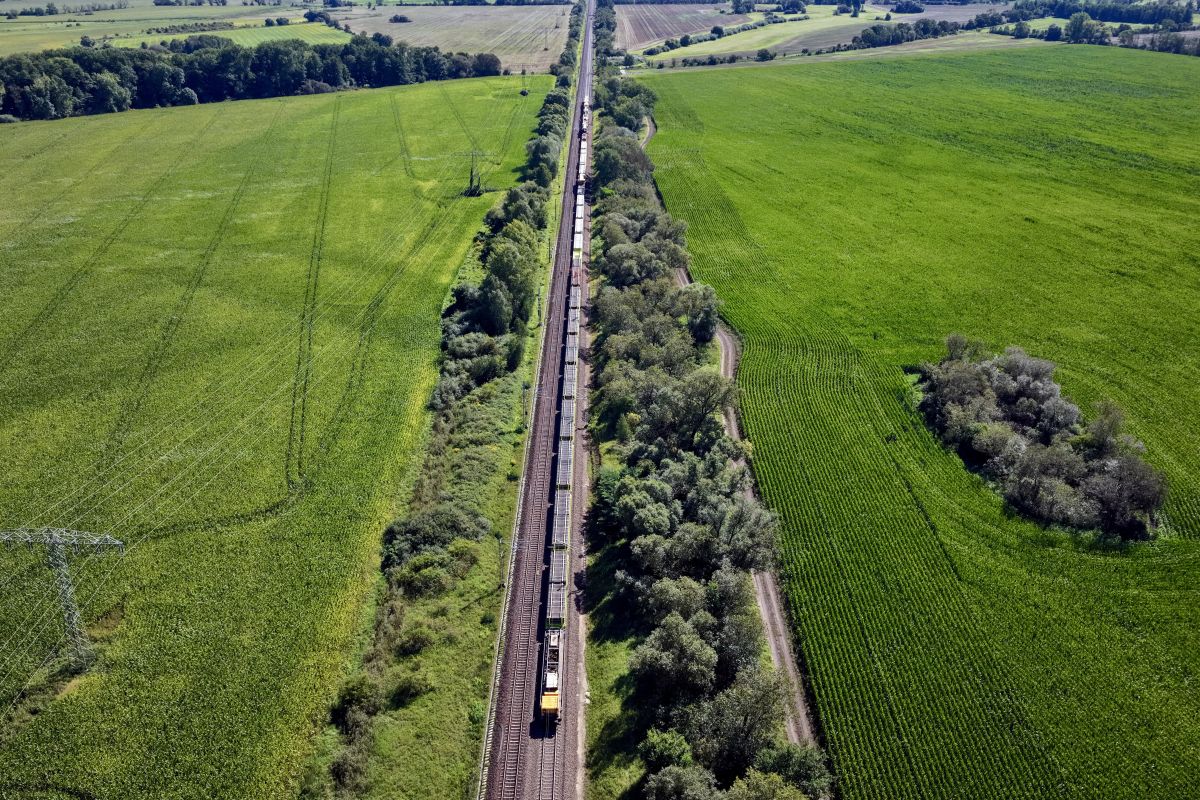
After the ETCS morning failure, trains had to stop as a precautionary measure for safety reasons. Gradually, the operation switched to the original signalling system that was in operation before 1 January this year. In addition, the trains had to run at a reduced speed of 100 km/h.
The operation was limited in long-distance and regional transport. Trains were running late, the national carrier České dráhy (Czech Railways) said on X:
"Passengers are asked to monitor our website or the My Train app for updates on the emergency," stated company and added that Správa železnic (provider of national and regional railway infrastructure) were working intensively to remedy the situation.
According to Martin Kavka, a spokesman for the railway firefighters, the cause was a malfunctioning GSM-R signal, which is managed by an external supplier, the spokesman told Czech media.
After the GSM-R signal outage in the morning, the ETCS system is back in operation and is gradually being restored, České dráhy announced on X around 11am:
"Due to the widespread impact on train services, stabilisation of long-distance and regional traffic is now underway. Dispatchers are working hard to minimise delays," Czech national carrier posted.
"We can rule out a cyber attack, that is positive news," Transport Minister Kupka told Czech Television after midday. According to him, the problem was in the communication part of the system, which is used both for ETCS security and for the operation of trains in the Czech Republic in general. "At the end of last year there was a significant outage in Norway and also in several places in Germany. It is important that this did not result in the paralysis of the entire system in the Czech Republic," said the Minister. A meeting will be held on Monday on how to prevent similar outages. "We will also cooperate with partners abroad," Kupka added.
The full-fledged ETCS system has been gradually introduced in the Czech Republic since this year. In the final phase, the ETCS is to supervise approximately 50,000 trains per month. Initially, this is mainly on key sections of the main corridors, which represents more than 42 percent of the train traffic in the Czech Republic.