The U.S. Surface Transportation Board (STB) has started a process that could make it easier for rail customers to ask for access to competing railroads.
For decades, U.S. law has allowed the regulator to step in when a shipper is effectively locked to a single railway. In reality, that option has never worked. The rules in place were so restrictive that no case has ever led to an order forcing railroads to share traffic or routes.
The STB now wants to remove those rules.
What actually changes
If the proposal is adopted, the regulator would no longer rely on an old framework that made competition cases almost impossible to pursue. Instead, the STB would look at requests individually and decide whether intervention makes sense based on the facts of each case.
This does not mean railroads will suddenly be forced to hand over traffic. It means that requests for competition will finally be heard on their substance, not dismissed because they fail to meet procedural hurdles.
Until now, those hurdles effectively blocked the regulator from acting at all.
Why this matters
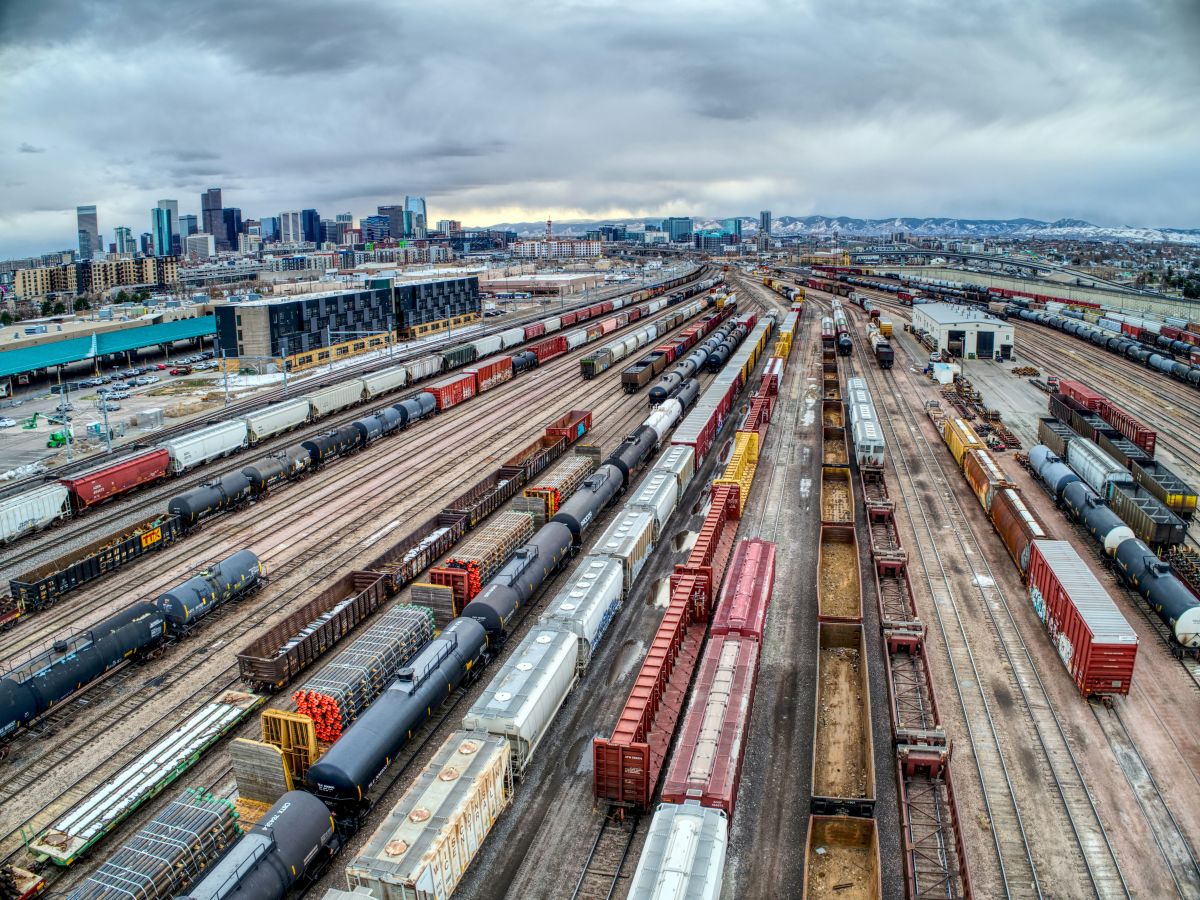
Many U.S. freight customers are served by only one railway. Without alternatives, they have limited influence over service quality, pricing or operational flexibility.
The change reopens a door that has been closed for more than 40 years. Even if only a small number of cases move forward, the mere possibility of regulatory action could alter how railroads and customers negotiate access and service terms.
For the rail industry, this is less about immediate orders and more about restoring a credible oversight mechanism.
Who is affected
The main impact is on freight shippers, particularly in sectors such as chemicals, agriculture and energy, where facilities are often tied to a single rail connection.
For railroads, the proposal introduces a higher risk of regulatory scrutiny. While no automatic obligations follow, carriers may face more formal requests from customers seeking alternative routings or connections.
What happens next
The STB has opened a consultation process and will collect comments before deciding whether to proceed. Nothing changes immediately, but the direction is clear: the regulator wants to regain the ability to act when competition issues arise.
For the first time in decades, competitive access in the U.S. rail market is no longer purely theoretical.