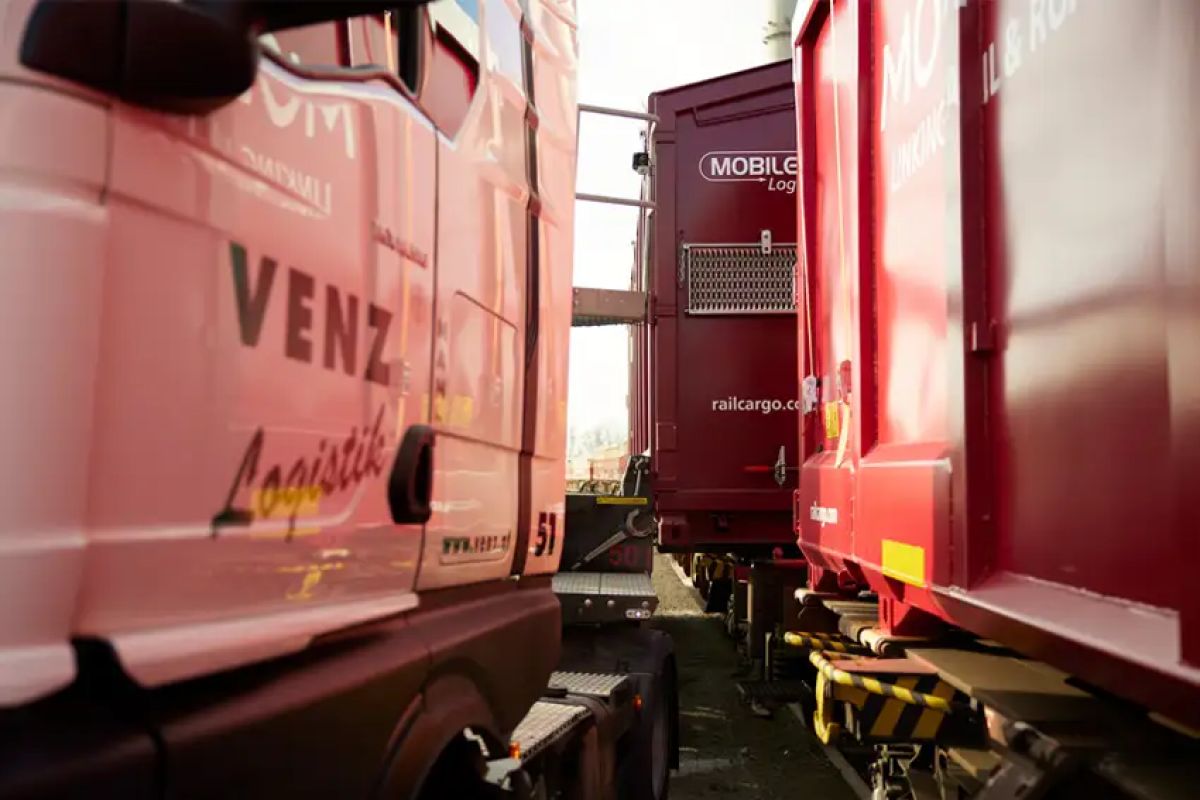
Operated by VIIA, a subsidiary of SNCF Group, the terminal spans over 6 hectares and uses the Modalohr horizontal loading technology to handle semi-trailers without requiring cranes.
The terminal is part of the Autoroute Ferroviaire service connecting Sète with Calais, which currently transports around 15,000 semi-trailers per year. This figure is expected to increase to 22,500 in 2026, with a longer-term target of 40,000 semi-trailers and containers annually. The route aims to reduce road freight volumes by taking an equivalent number of trucks off the roads and reducing CO₂ emissions by up to 50,000 tonnes per year.
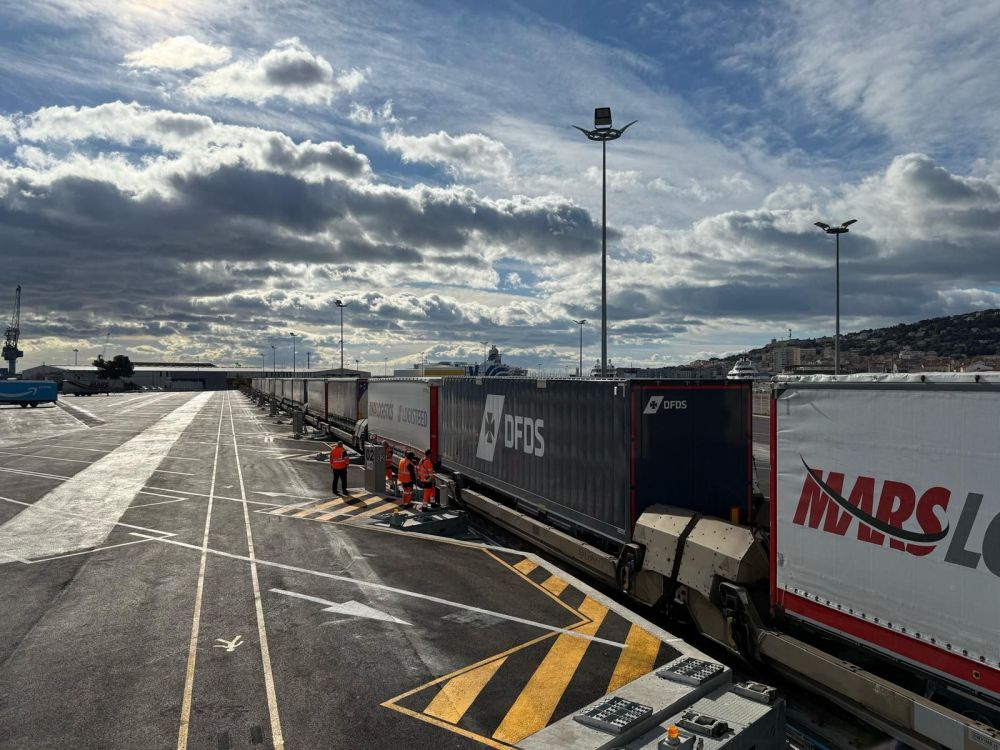
Equipped with 18 horizontal loading stations, the facility enables the simultaneous handling of 36 semi-trailers. The site includes expanded access for loading units, a control and operations centre, 175 parking spaces, and administrative offices.
From early 2026, the frequency of services between Sète and Calais will increase to six round trips per week. VIIA’s customers will also gain access to extended connections from Sète to Lyon, northern and eastern Europe via Bettembourg, and the UK through the port of Calais.
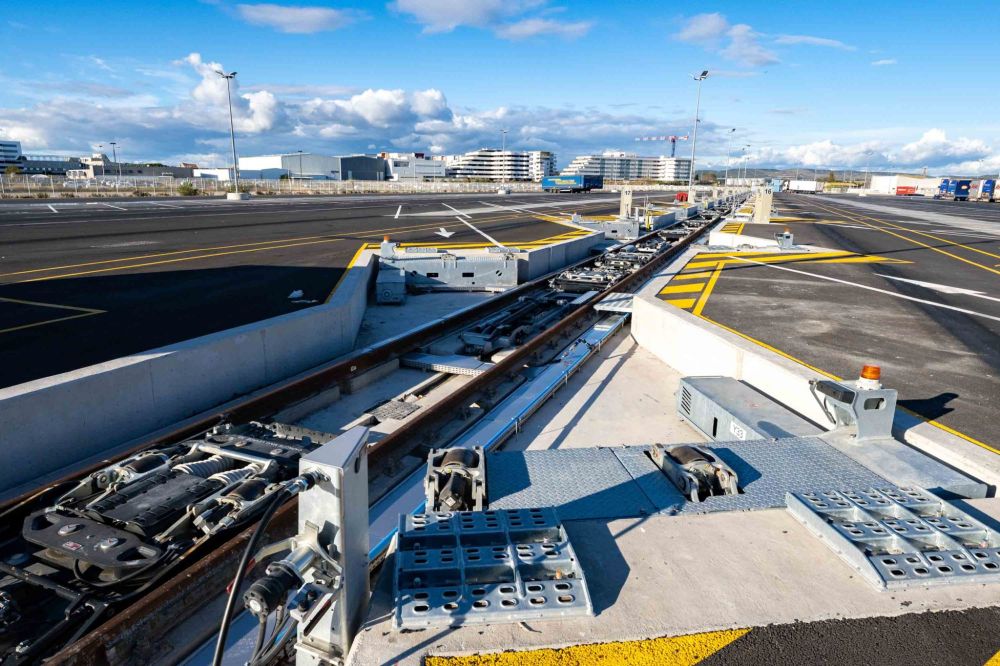
The infrastructure was developed through joint investment from VIIA, the French State, the Occitanie Region, and the port authority of Sète, with support from the General Directorate for Infrastructure, Transport and the Sea (DGITM), as well as companies including Lohr Group and DFDS.
The construction work, carried out between 2019 and 2025, involved 70 workers and accounted for 22,600 hours of labour. The terminal is currently operated by a team of 12 employees trained specifically for this site.