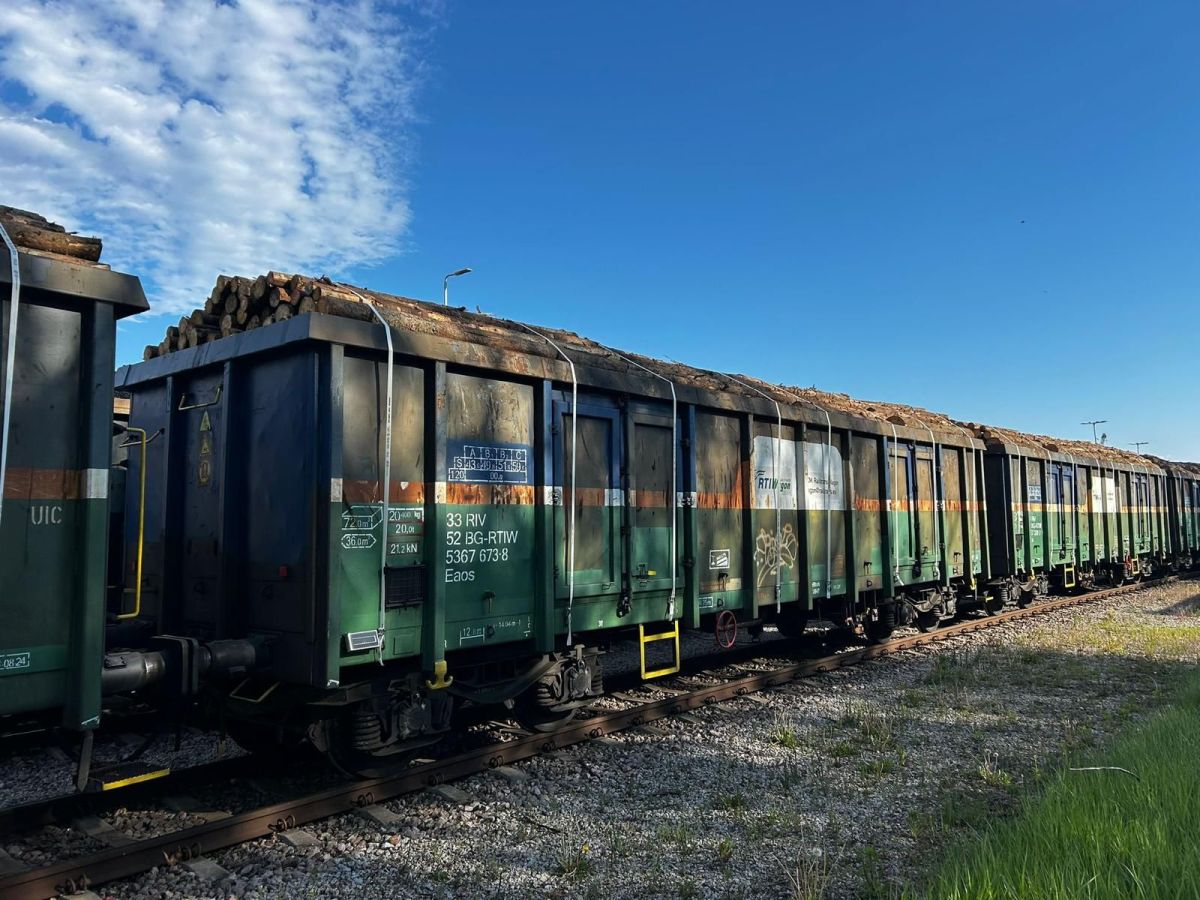
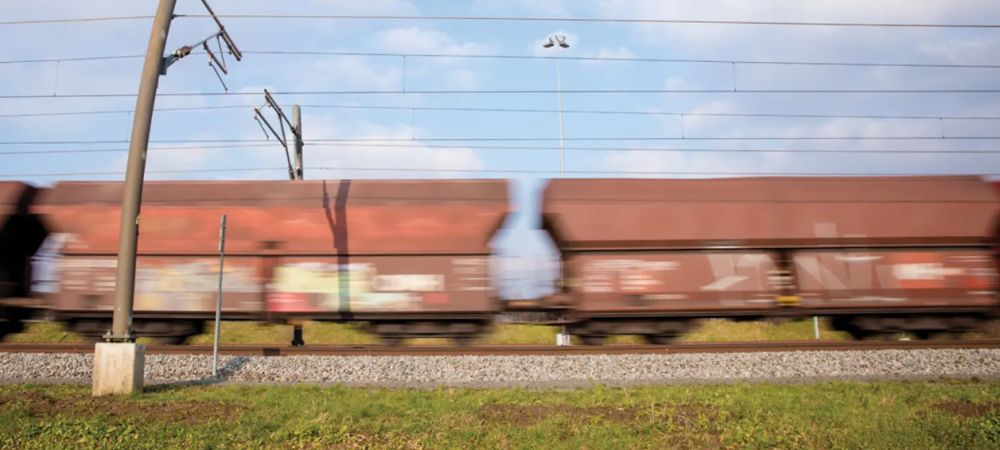
The reduction is linked to a drop in coal transport, primarily due to changes in the German energy sector. The shift affected the number of coal trains crossing the border, with daily loaded coal train movements falling from 10–15 a few years ago to approximately five per day in 2024, the Dutch railway infrastructure manager ProRail reports.
Impact of German energy policy on coal transport
Germany’s decision to phase out coal for energy production has had a direct effect on coal freight via the Netherlands. The closure of a coal-fired power plant in southern Germany, which was previously supplied through Dutch ports, contributed to the decline. Additionally, competition from German ports played a role, as some coal shipments shifted to alternative routes.
The volume of coal transported by rail in the Netherlands decreased from nearly eight million tonnes in 2023 to approximately five million tonnes in 2024, representing a 37% decline. This drop follows a broader trend of declining coal transport, which had seen a temporary increase in 2022 due to energy market disruptions before resuming its downward trajectory.
Container transport remains stable
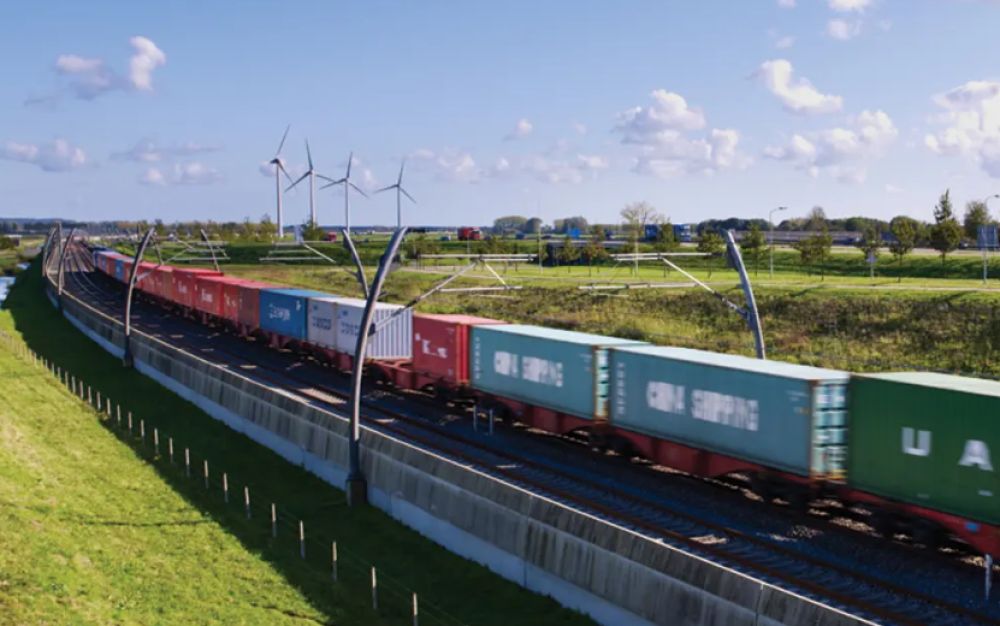
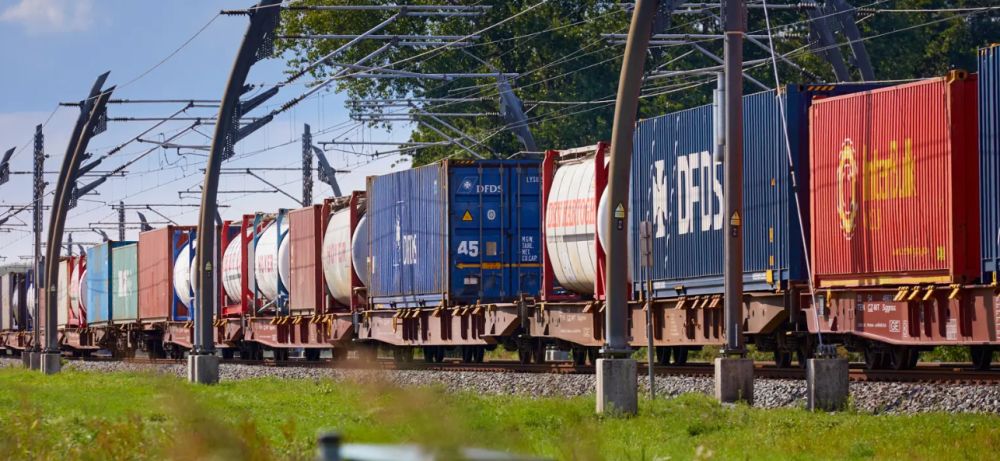
Intermodal transport, including containers and trailers, accounted for more than half of the total rail freight volume in the Netherlands and remained stable throughout 2024. However, some short-distance and low-frequency connections were discontinued. The market also saw changes, with new routes being introduced while others were withdrawn.
Despite stability in overall container transport, adjustments were made in response to shifting demand. Some routes were discontinued due to cost factors and competition from other transport modes.
Germany remains key destination
Germany continues to be the main destination for rail freight from the Netherlands, despite the decline in coal shipments. More than 43,000 freight trains crossed the border between the two countries in 2024, a 7% decrease from the previous year. Over half of these trains (23,000) were container trains. The Betuweroute remained the primary corridor for cross-border traffic, although infrastructure work on the German side, particularly the construction of the Third Track between Zevenaar and Oberhausen, affected capacity in late 2024.
While coal transport declined, freight volumes to northeastern Europe grew by over 10%. Poland and the Czech Republic ranked among the top five destination countries.