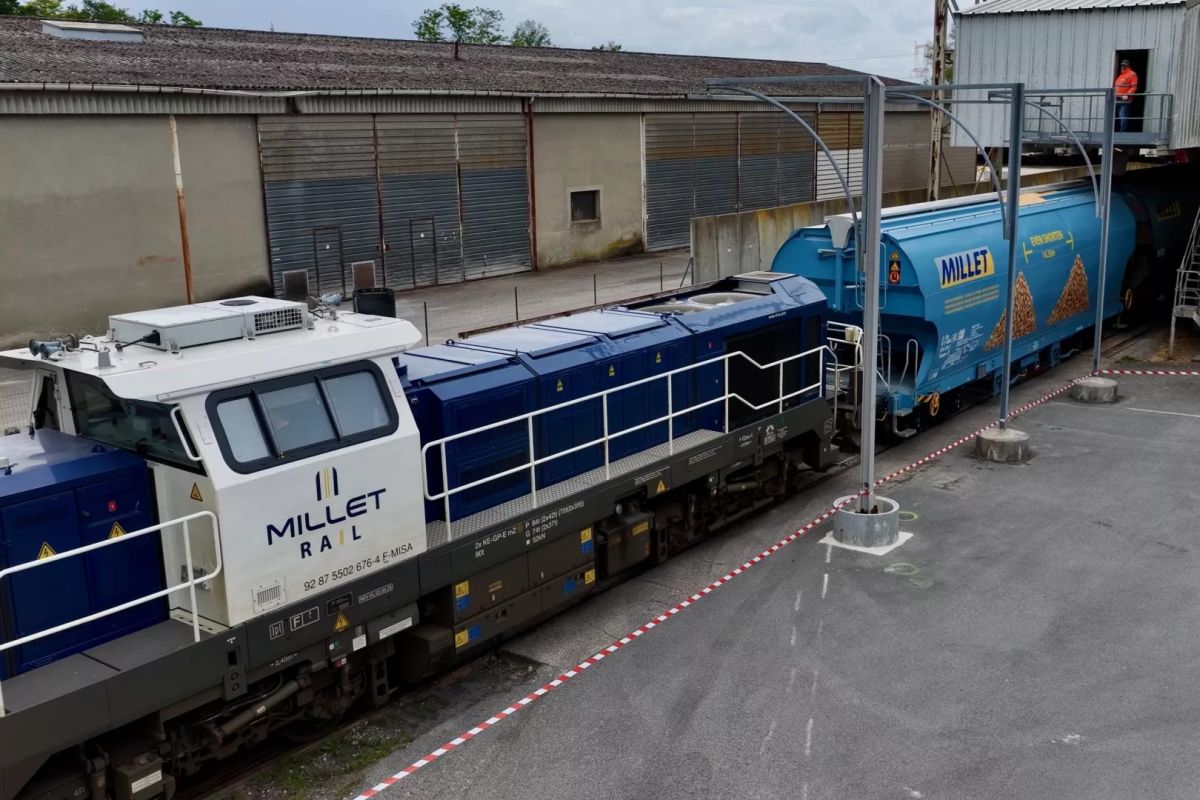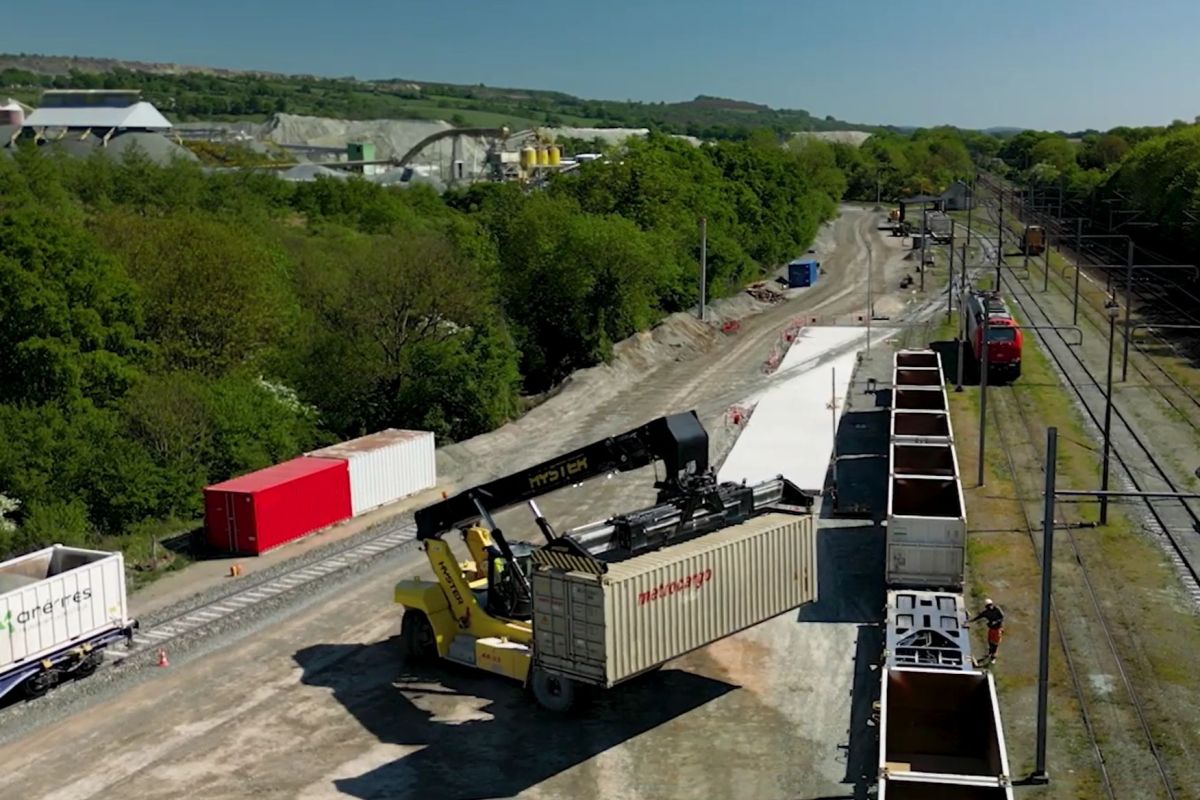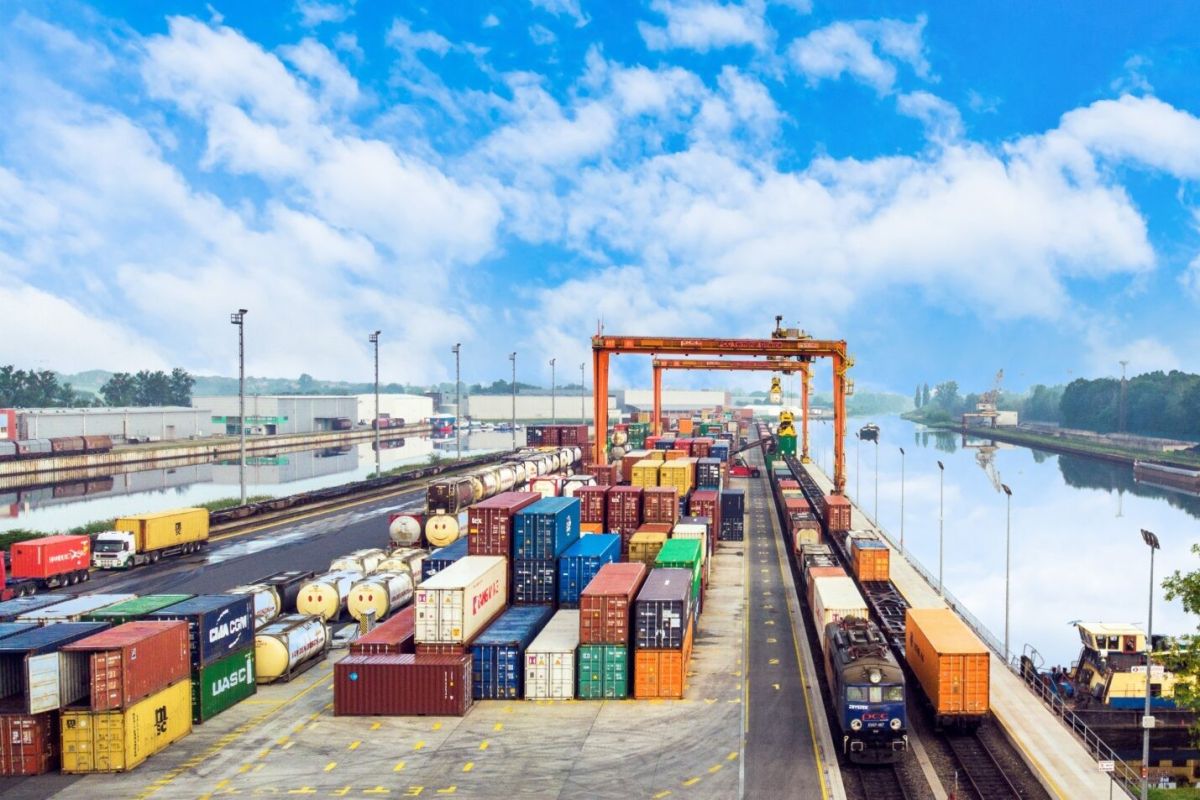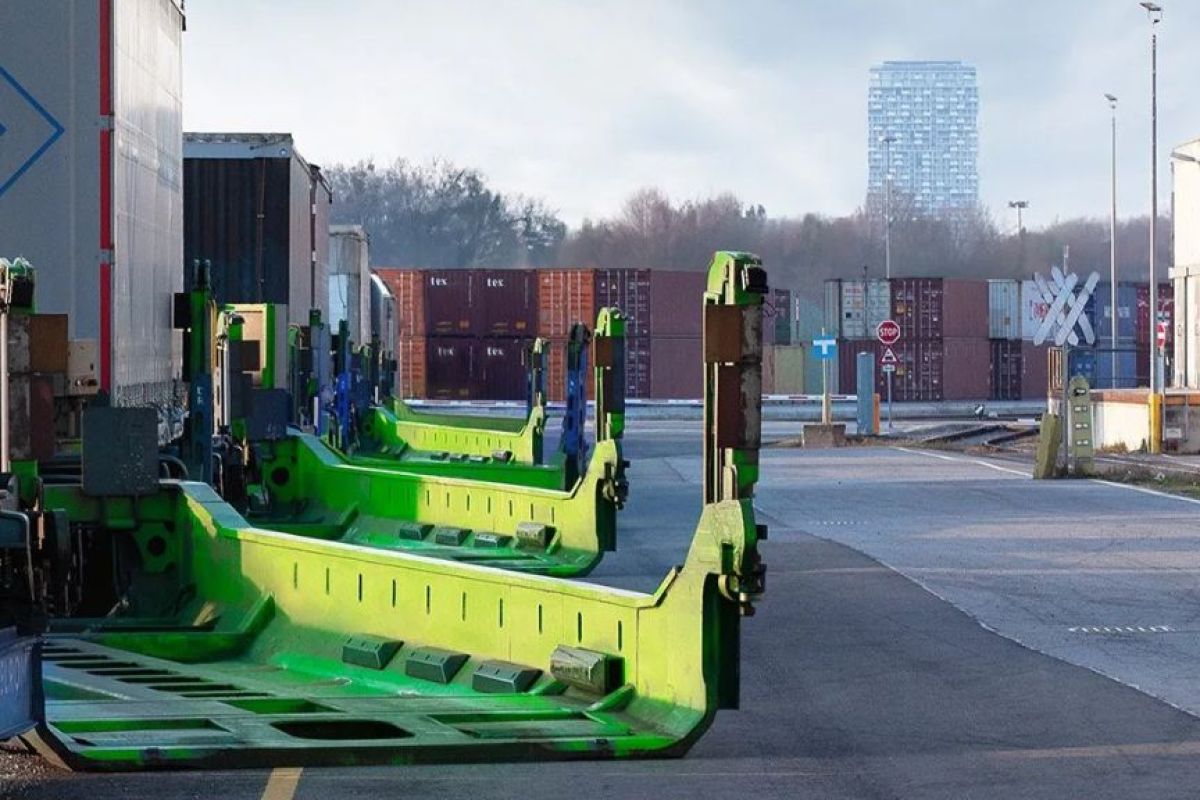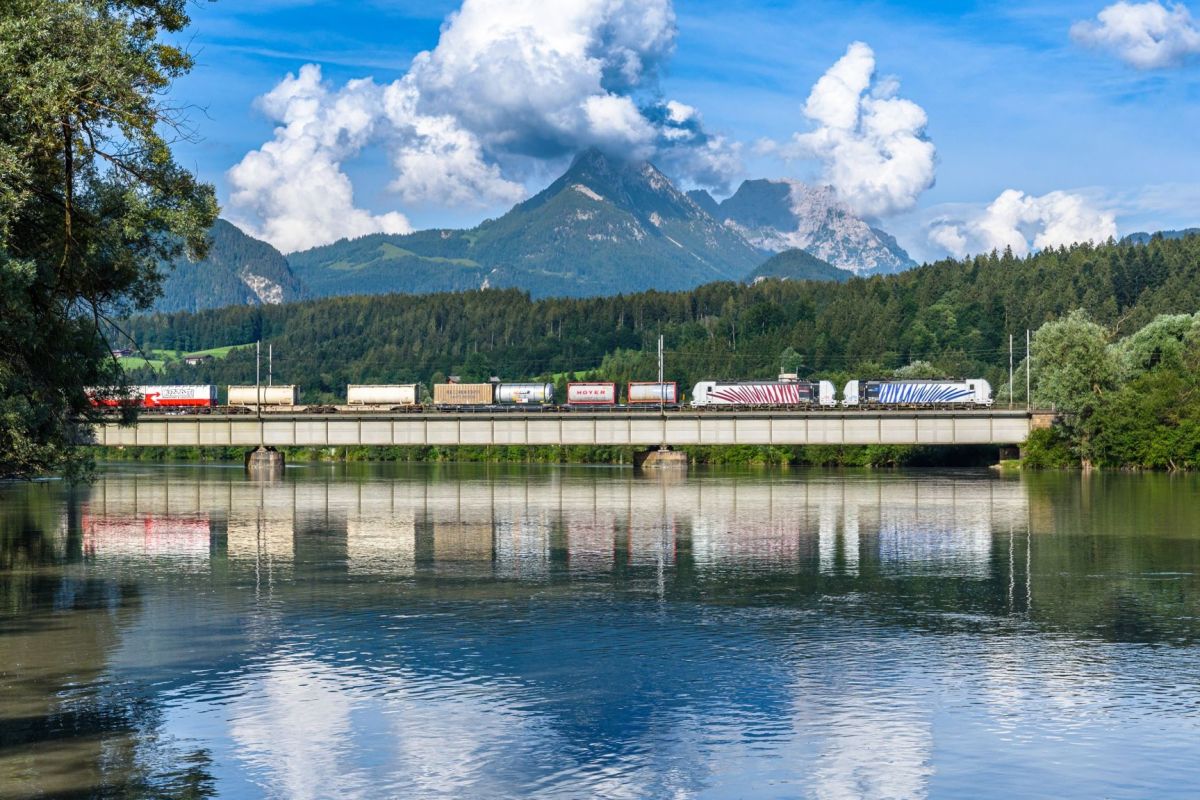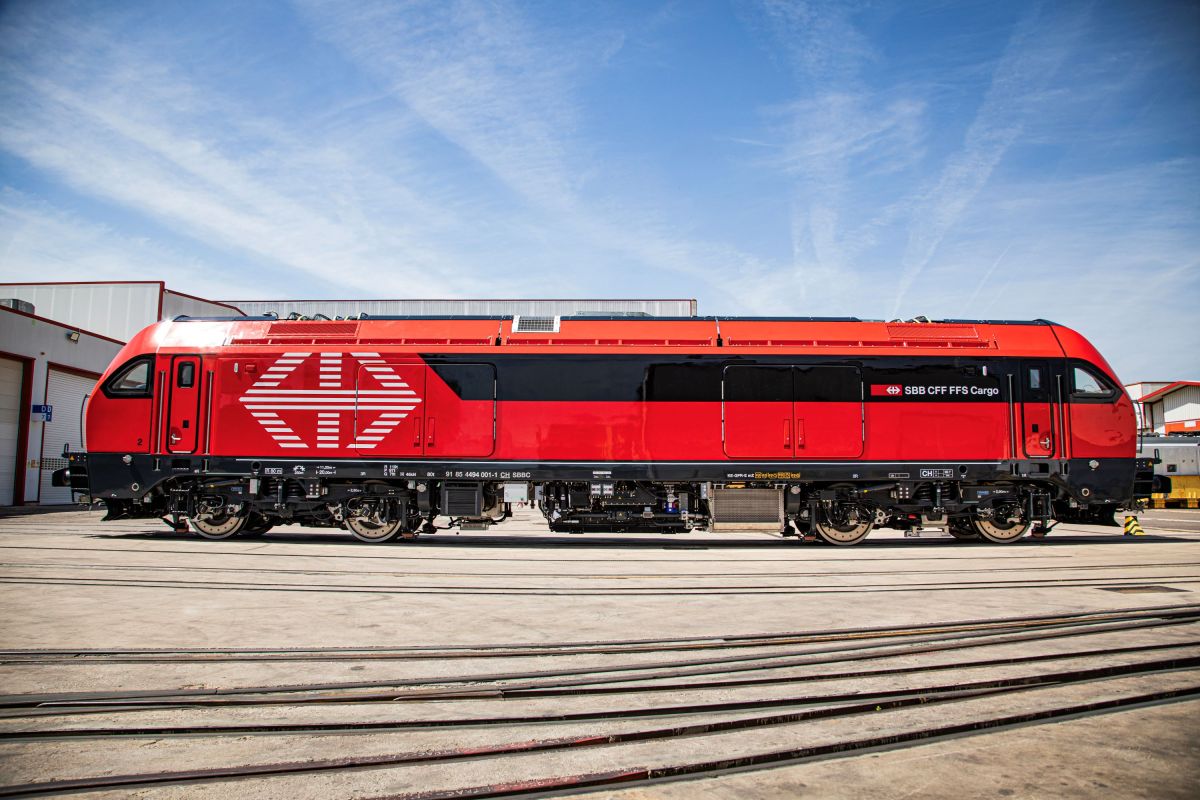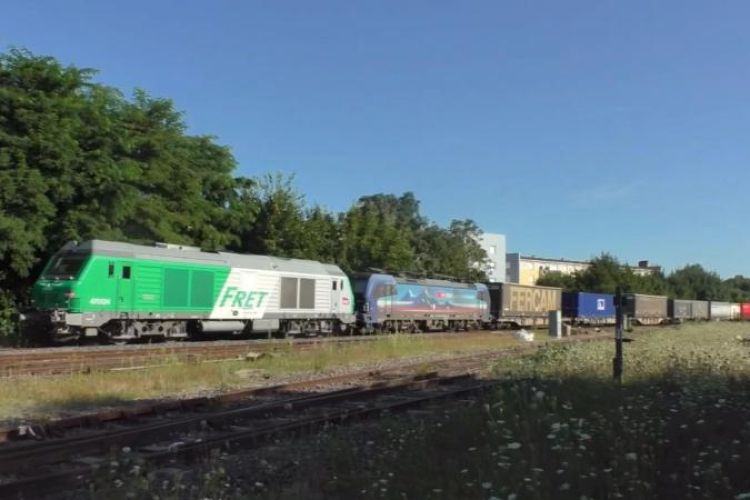
The diesel shuttle on the left bank of the Rhine performed well during the complete closure of the Rhine Valley Railway during the holiday month of August. This initiative shows that it is necessary to develop the railway lines on the left bank of the Rhine in France in order to ensure the stability and reliability of combined transport on the north-south axis in the long term.
This is the number of train journeys that could be offered when the Rhine Valley Railway is completely closed in August 2024: around 20 freight trains per day in each direction through Alsace. A shuttle service using diesel locomotives on the non-electrified Wörth-Lauterbourg-Strasbourg-Offenburg line has made this possible.
“Now we have to build on this pioneering achievement and include the French access routes to the NEAT in the Swiss modal shift policy. The upgrading of the NEAT feeder line Belgium-Metz-Strasbourg-Basel to the 4-metre corridor is a top priority”, commented Hans-Jörg Bertschi, Chairman of the Board of Directors of Hupac. The situation will be aggravated until after 2030 by the planned corridor renovations in Germany, which will involve the closure of main lines for several months.
The upgrading of the Belgium-Metz-Strasbourg-Basel axis on the left bank of the Rhine to the 4-metre corridor is therefore a prerequisite for a further transfer of Alpine transit traffic through Switzerland to the railways. The 110 km shorter route through France could then be used by traffic from Belgium and the southern Netherlands that currently travels through Germany.
Hupac is motivated to strategically expand transport on the routes on the left bank of the Rhine by the experience with the diversion traffic through Alsace. “From 2025 we are planning container transit trains with a suitable profile via France, even if this is not yet possible with 4-metre semi-trailers and involves additional costs,” emphasized Hupac CEO Michail Stahlhut.
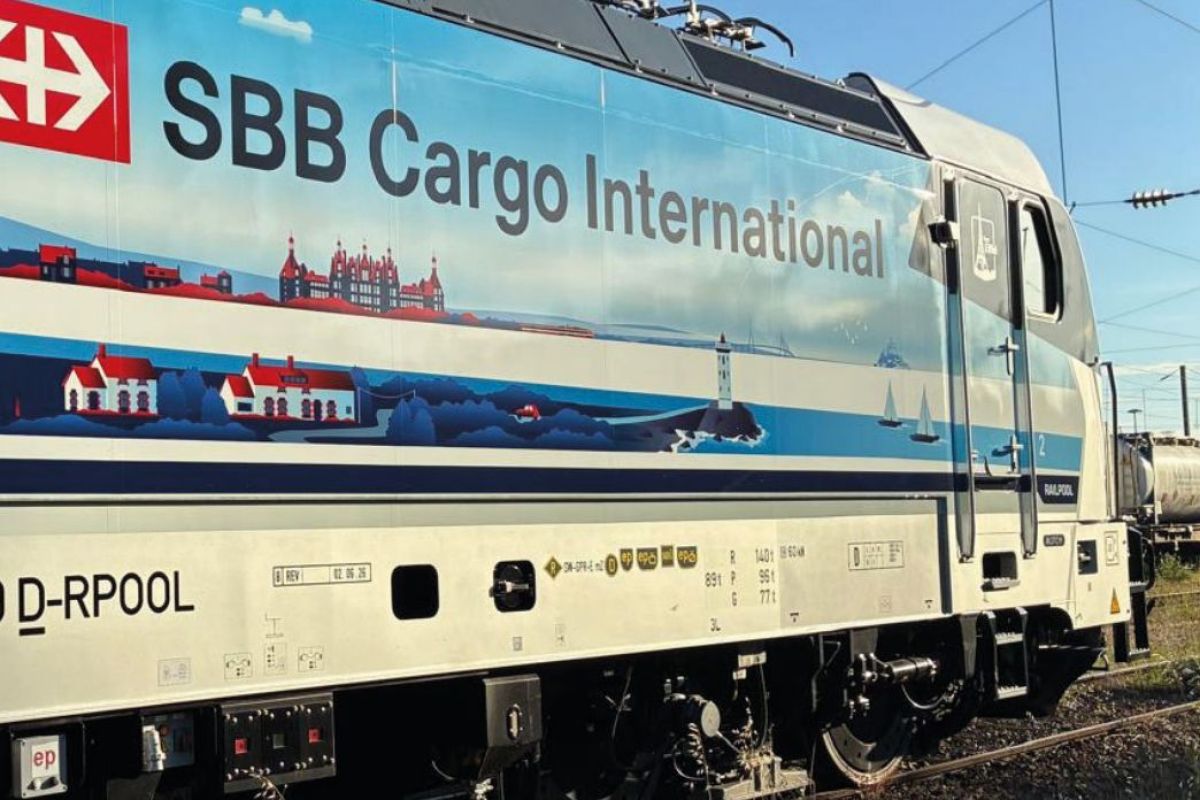
In this way, Hupac is creating an alternative to the tense situation in Germany, where the renovation of the corridors with complete closures for months on end is putting a considerable strain on capacities. “We are delighted that SBB Cargo International is proactively supporting efforts to eliminate bottlenecks in the NEAT system by founding a subsidiary in France,” added Hans-Jörg Bertschi, Chairman of the Board of Directors of Hupac. Developing new services on the left bank of the Rhine through France is also an important signal to SNCF Réseau regarding the necessary extensions to the tunnel profile.