The exercise was carried out on 10 June as part of a nationwide test of Estonia’s EE-ALARM public warning system, during which sirens sounded across the country and residents received warning messages.
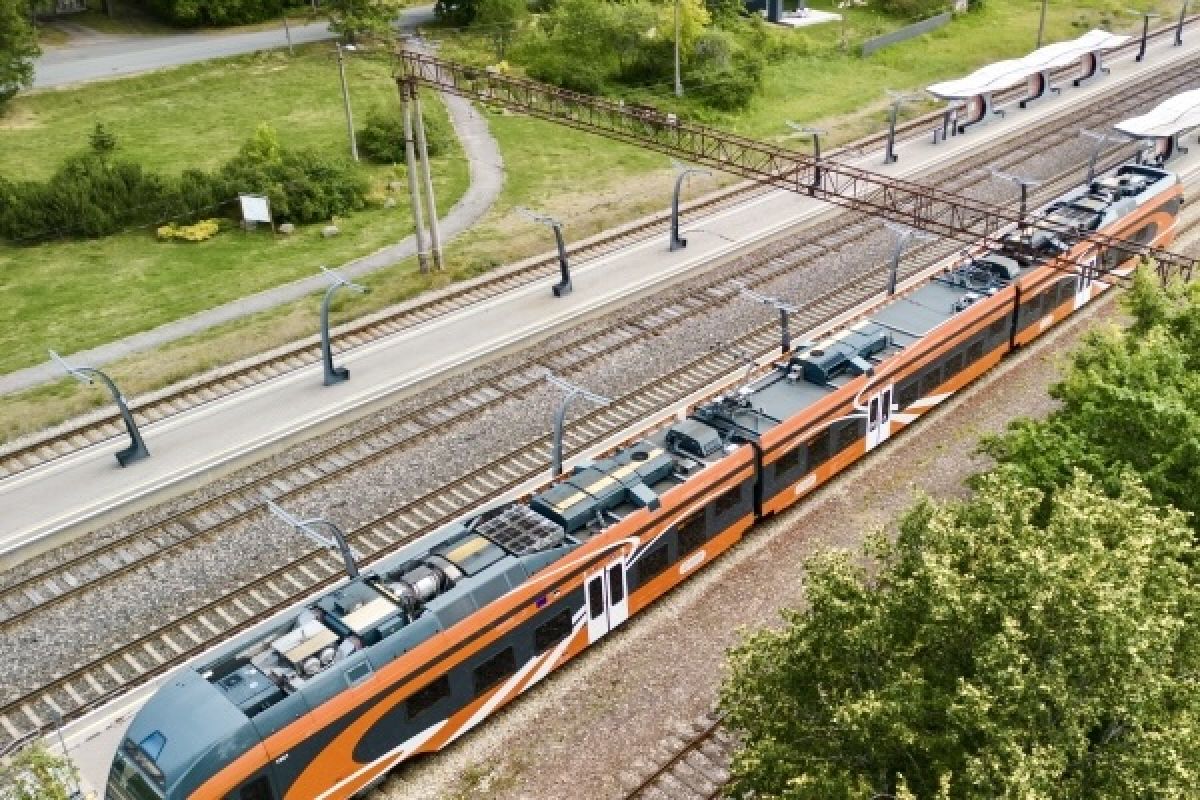
Following the alert, dispatchers ordered trains on four routes in eastern and southern Estonia to stop at the first available station or halt. The affected sections were Tapa–Narva, Tapa–Tartu, Tartu–Valga and Tartu–Koidula.
Drivers then simulated the start of a passenger evacuation and sheltering procedure. The trains remained stationary for no more than two minutes before services resumed on the dispatcher’s verbal instruction. The impact on the timetable was limited.
“Building crisis resilience is a continuous process. This national test was the next step in practising cooperation with Elron in a situation where fractions of a second can determine people’s safety,” said Marius Kupper, Head of Business Continuity at Eesti Raudtee.
According to Elron, drones create new operational risks for railway companies, including delays in passing on critical information, incorrect decisions when stopping traffic and insufficient staff preparedness.
“The exercise allowed us to test in real time how the decision-making chain works with the infrastructure manager when train traffic must be stopped immediately because of a drone threat,” said Madis Kolli, Safety Manager at Elron.
“The aim is to identify weaknesses and correct them before a real emergency occurs. Every such exercise reduces the risk of delays or misunderstandings that could endanger people’s lives and health,” he added.
The test took place during the wider ILVES 2026 national crisis exercise, involving around 130 public authorities, companies and other organisations. The programme covered scenarios including sabotage, explosions, disinformation, drone threats and the continuity of essential state services.