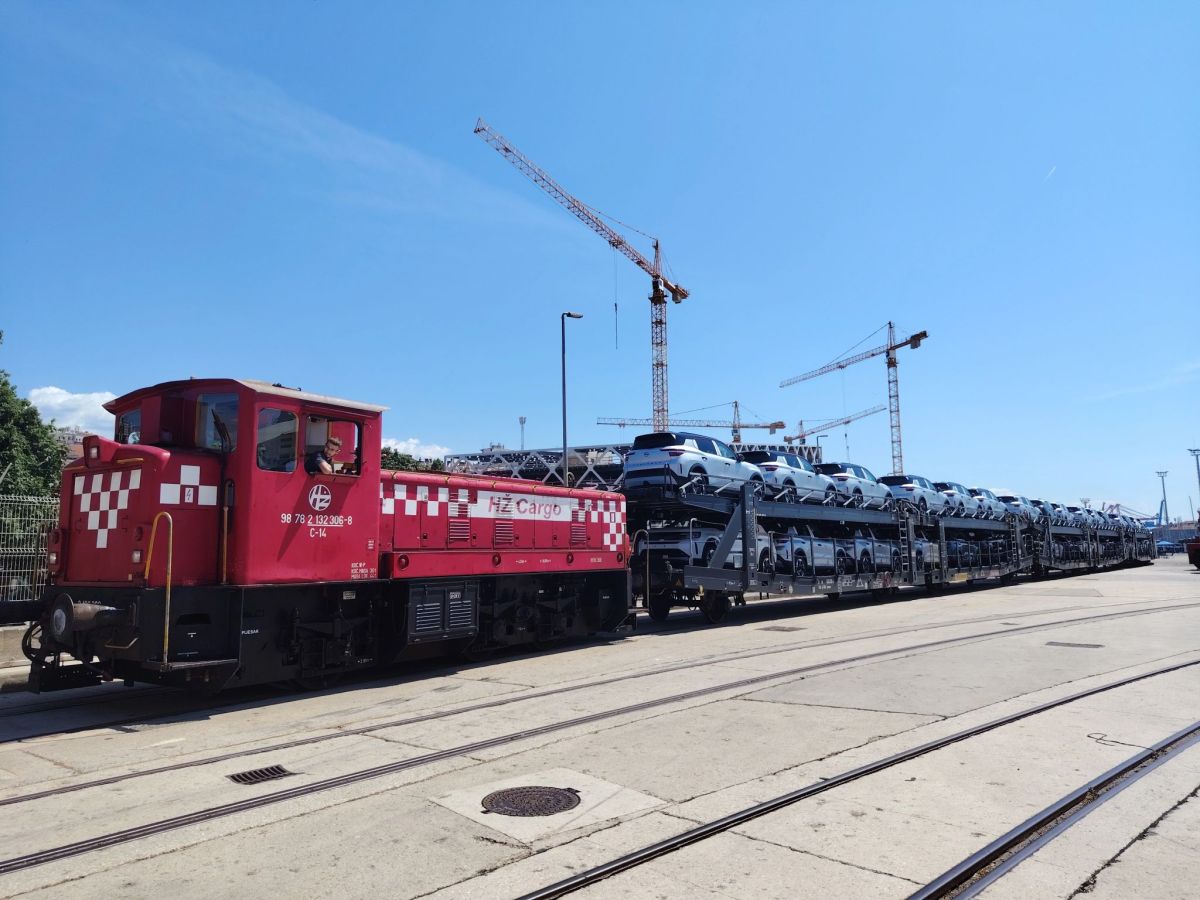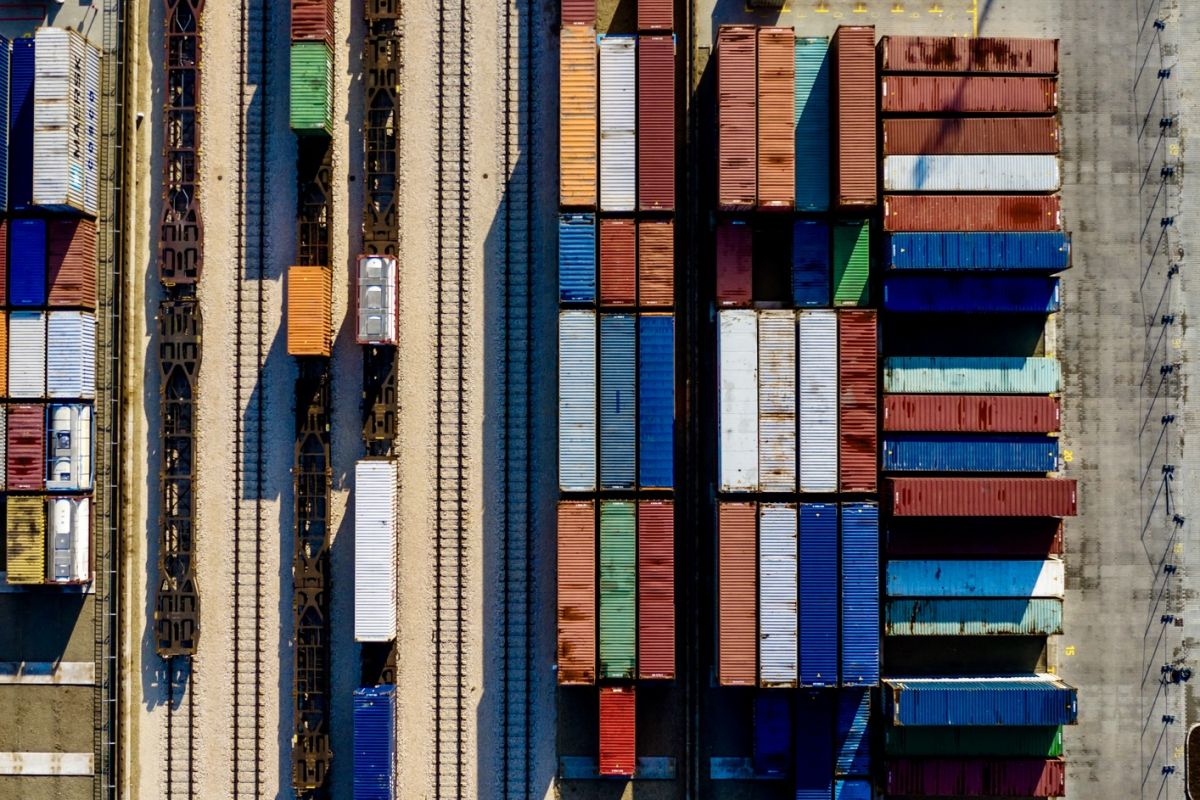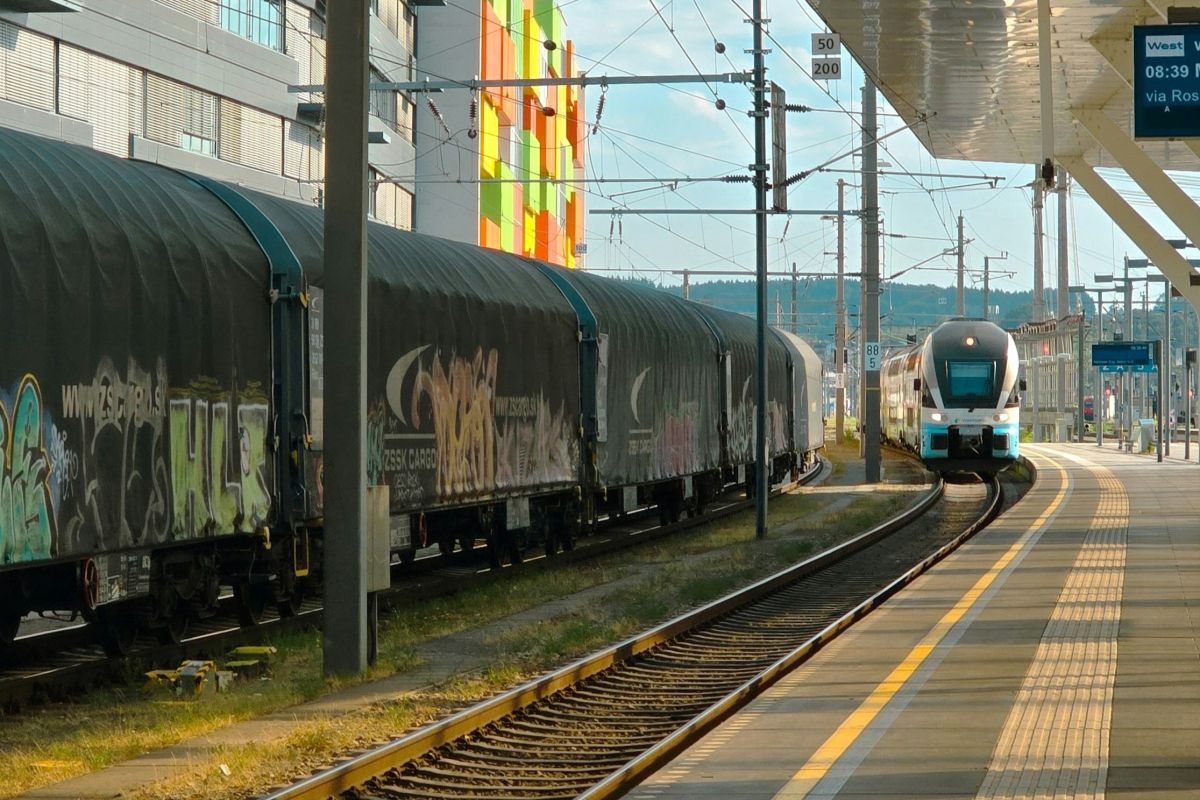
SBB is preparing a new production model for single wagonload freight in Switzerland, as part of its wider effort to make rail freight economically sustainable.
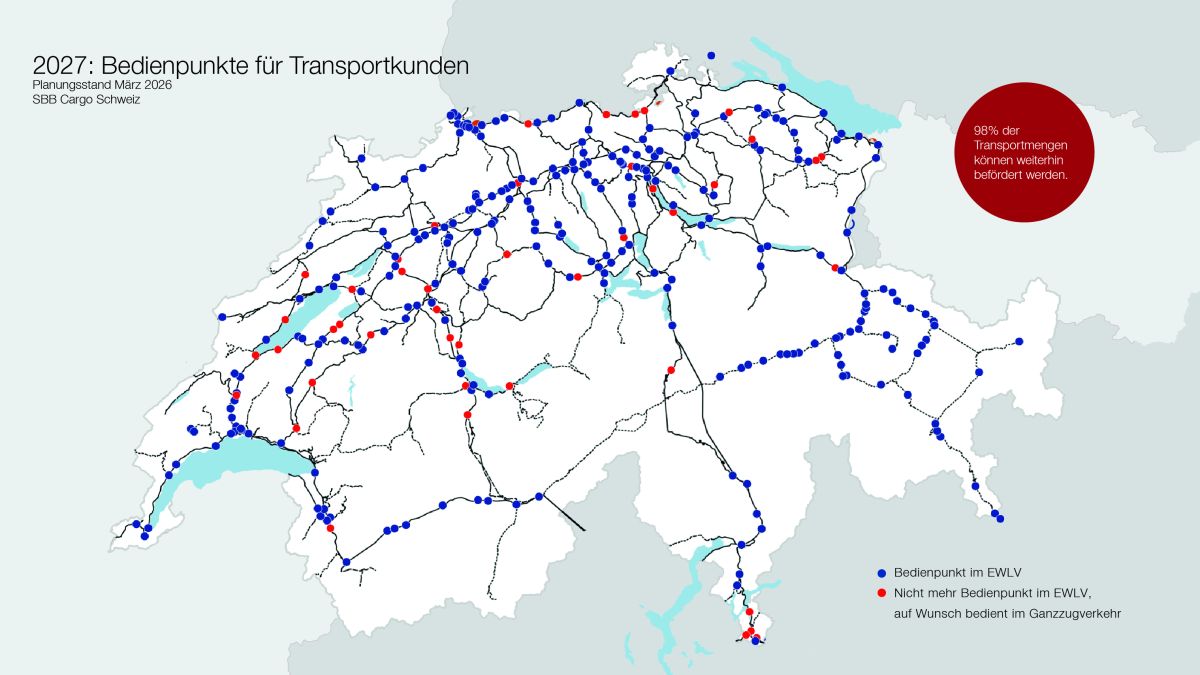
From the timetable change on 13 December 2026, the system will be aligned more closely with customer demand. Around 50 service points with very low demand will no longer be served in single wagonload operations, compared with roughly 280 service points today.
SBB says those locations can still be served by block trains if customers request it. Despite the reduction in single wagonload service points, the company expects to continue carrying around 98% of current transport volumes, supported by better utilisation of trains.
The change is part of the restructuring of a business segment that SBB describes as heavily loss-making. The target set by the Swiss Confederation, as owner of SBB, is for freight operations to become economically self-sustaining from 2033.
The reform is supported by several measures. The federal government is providing temporary support for single wagonload freight over eight years, while customers are expected to contribute through cost-covering prices and long-term contracts.
The reorganisation will also affect around 200 employees across Switzerland, including about 130 in German-speaking Switzerland, 40 in Ticino and 30 in western Switzerland. SBB says most changes will involve a change of workplace rather than job cuts, with dismissals described as the exception.
Affected employees will be offered alternatives within SBB Cargo Switzerland, elsewhere within SBB, at subsidiaries, partner railways or through supported professional reorientation. The company says it will follow the applicable collective labour agreement.
Operational staff will be moved away from sites with very low traffic or only a small number of employees. This concerns locomotive staff in Brig, Buchs SG and Chiasso, and shunting staff in Thun, Rothenburg, Yverdon, Payerne, Fribourg, Delémont, Martigny and Wil. The sites in Schaffhausen and Frauenfeld are expected to remain in operation until 2028 and 2029 respectively.
SBB argues that single wagonload freight remains important for Swiss supply chains, safety and climate goals. Without it, Switzerland could see up to one million additional truck journeys on the road each year.
The company says the new model should help secure a national rail freight offer while reducing costs and improving efficiency. Further adjustments to service points and operating sites may follow, depending on customer demand.