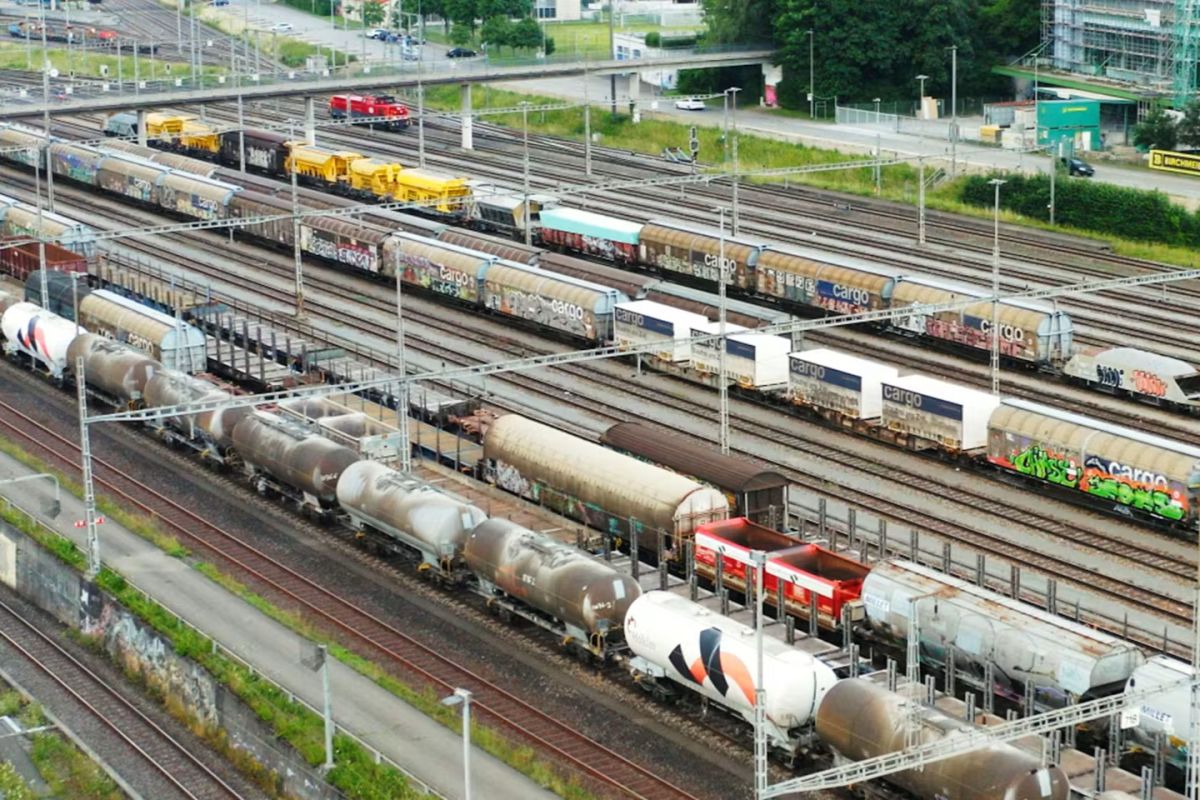
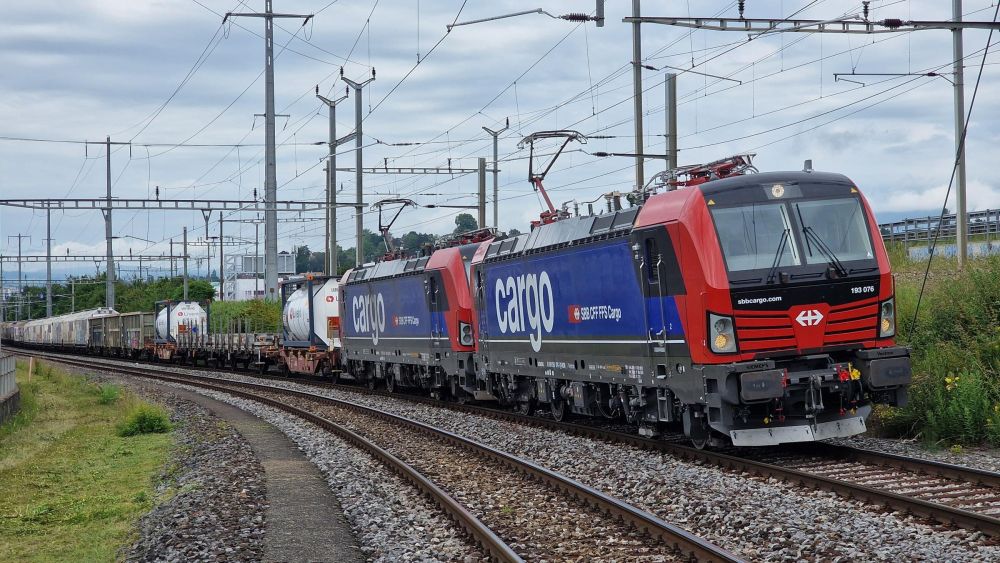
SBB Cargo Switzerland will continue operating single wagonload (SWL) services until 2029 following the award of a new service contract by the Swiss federal government. The contract is supported by a subsidy of CHF 260 million (approx. EUR 267 million) for the period 2026–2029.
SBB Cargo was the only applicant for the contract. The company will remain responsible for managing single wagonload transport across Switzerland, while engaging in regional partnerships with other railway undertakings based on cost-efficiency and competitiveness.
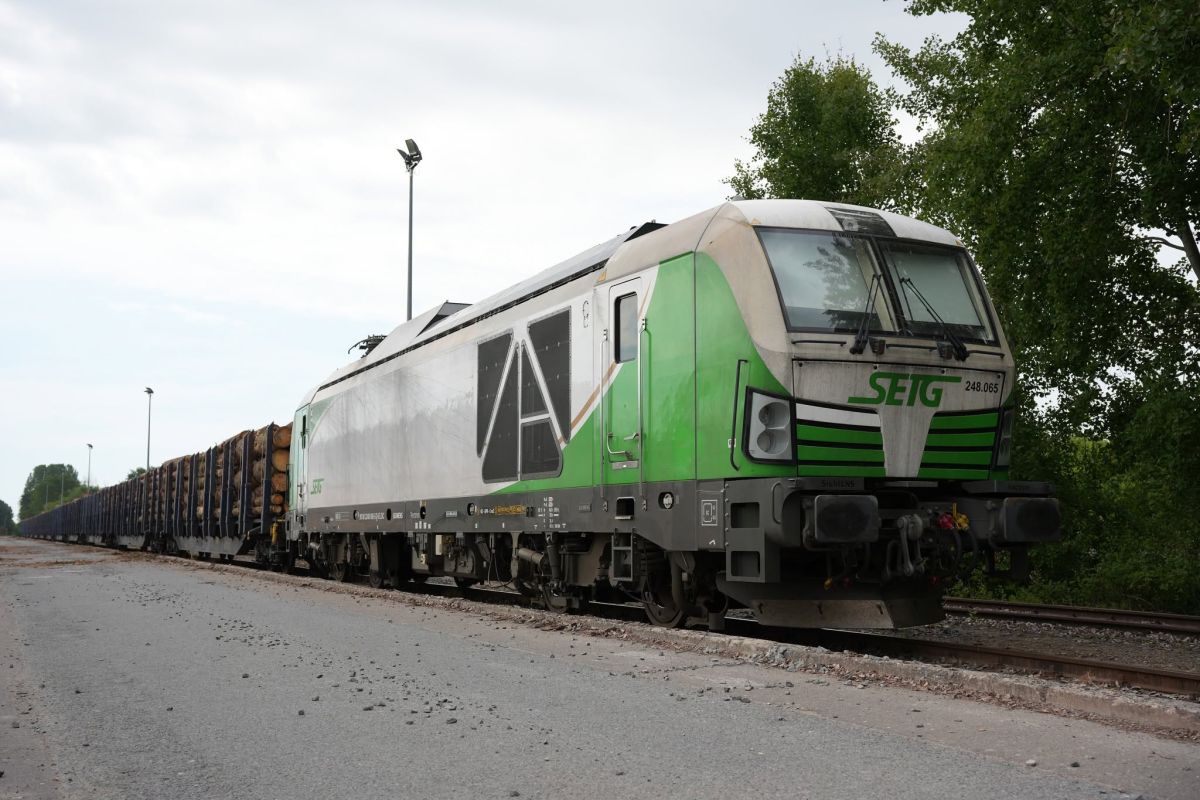
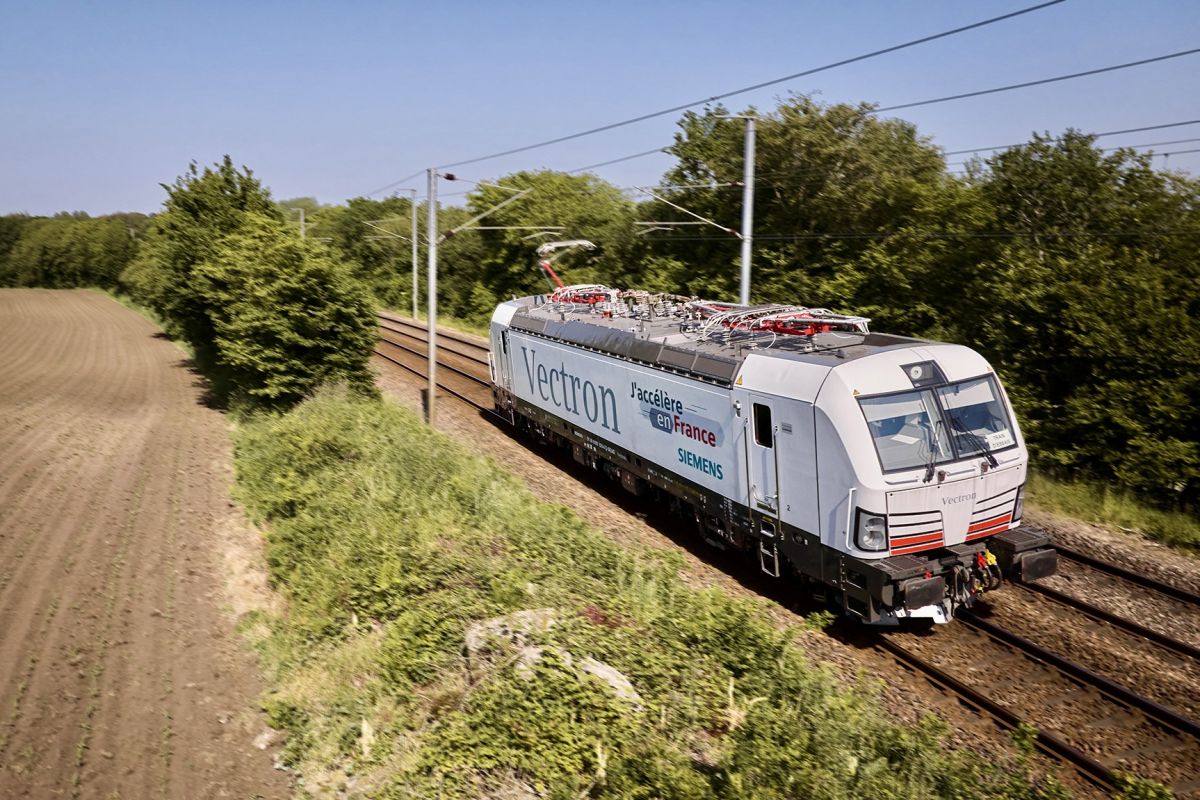
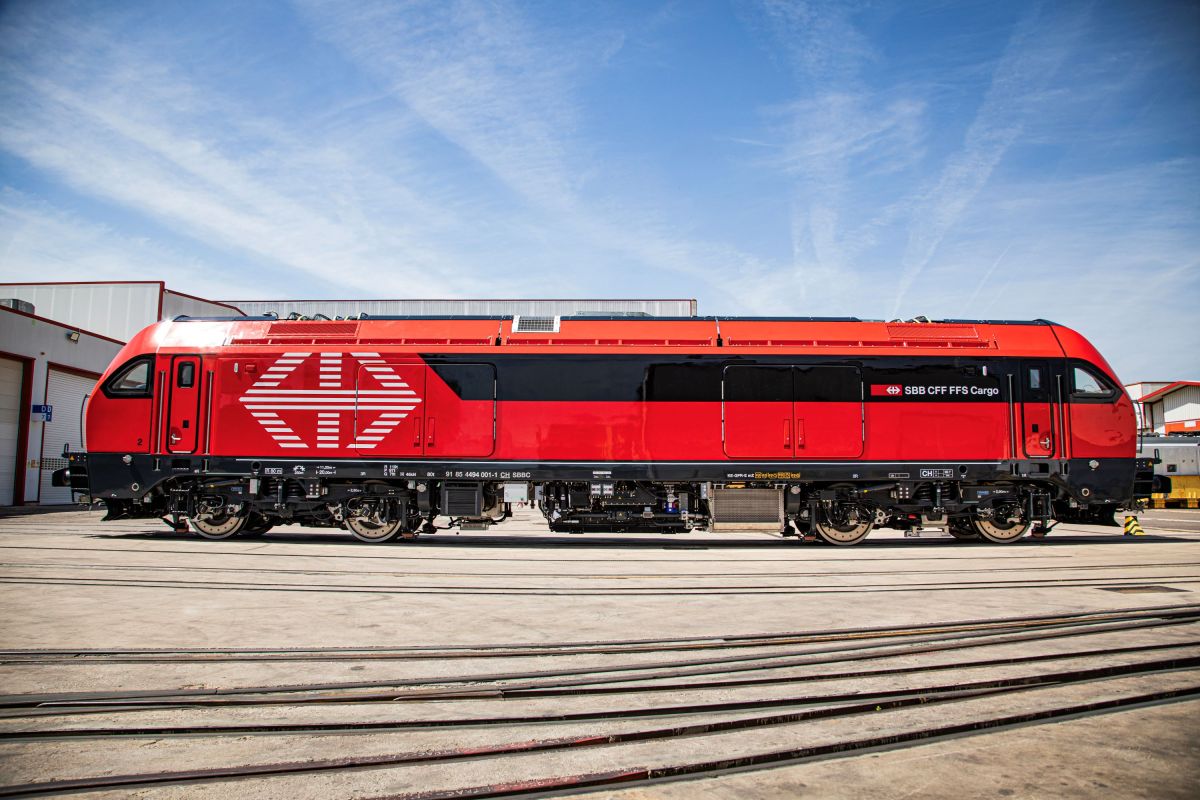
The state contribution aims to curb rising customer prices during the transition to a new production model. Under this model, SBB intends to reduce costs by increasing automation, renewing its rolling stock, and reorganising its operational structure. Investment is focused on modern locomotives, standardised freight wagons, and digitalisation. According to SBB, the new network layout will be shaped by existing customer contracts and projected volumes.
The new timetable is scheduled to take effect on 13 December 2026. From this point, the single wagonload network will see a reduction in service points. Locations with insufficient demand will no longer be served within the SBB Cargo Switzerland network, though they will remain accessible as public infrastructure for other operators or other types of freight transport. Based on current traffic volumes, SBB expects around 98% of wagons to remain covered by the new layout.
SBB Cargo's freight division continues to face financial difficulties. In 2024, the single wagonload service reported a loss of CHF 81 million (EUR 83 million), contributing to a broader structural deficit in freight operations. Over the past decade, volumes have declined by one-third. Despite maintaining a large domestic network and relatively low prices, both single wagonload and combined transport services operate at a loss. Block train services, on the other hand, remain commercially viable.
The revised SWL model also impacts staffing and resource deployment. SBB has confirmed that changes will affect personnel distribution and depot locations. Adjustments are expected for locomotive crews in Brig, Buchs SG, and Chiasso, as well as shunting staff. Reductions in workforce will follow a consultation process with social partners. SBB is bound by a collective bargaining agreement and intends to manage job changes in accordance with it.
SBB continues to warn of a shortage of skilled workers in the medium term, particularly as retirements increase. The company sees flexibility in staffing and operations as essential to maintaining its freight transport offer.
The updated SWL concept is part of the “Suisse Cargo Logistics” plan, designed to adapt to an anticipated 30% rise in freight demand in Switzerland by 2050.