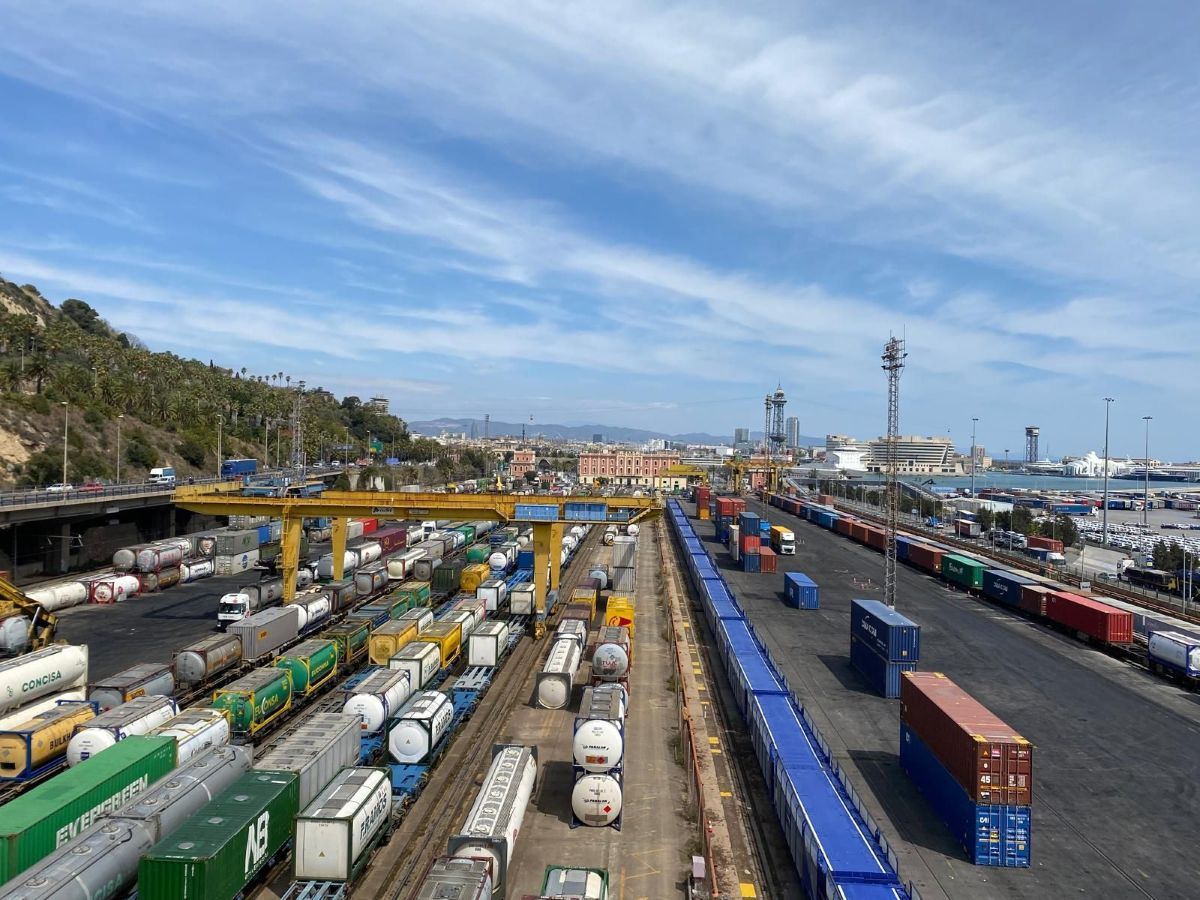
The intermodal terminal of Morrot in Barcelona is now under the management of Rail Hub Morrot (RHM), a joint venture between Renfe Mercancías (60%) and the German company Kombiverkehr Intermodal Services (40%).
Contract Scope and Duration
RHM is responsible for operating 77,500 square metres of the total 128,000 square metre terminal area. The awarded space includes office and auxiliary facilities. The initial contract is set for six years and can be extended for an additional three years, depending on future decisions related to the Port of Barcelona’s logistics development plans.
Introduction of a Terminal Operating System
As part of the contract conditions, the implementation of a new Terminal Operating System (TOS) was required. Renfe Mercancías has initiated the deployment of this digital system, which covers various aspects of terminal operations. The TOS is intended to support resource coordination, automate process flows, and provide improved operational oversight.
Digitalisation Focus
The move towards digitalisation is aimed at streamlining logistics workflows within the terminal. Key objectives include cost control, increased resource efficiency, and a more predictable handling schedule for rail freight customers. The system's introduction forms part of broader efforts to align rail terminal operations with standards already present in maritime port terminals.
Strategic Importance of Morrot
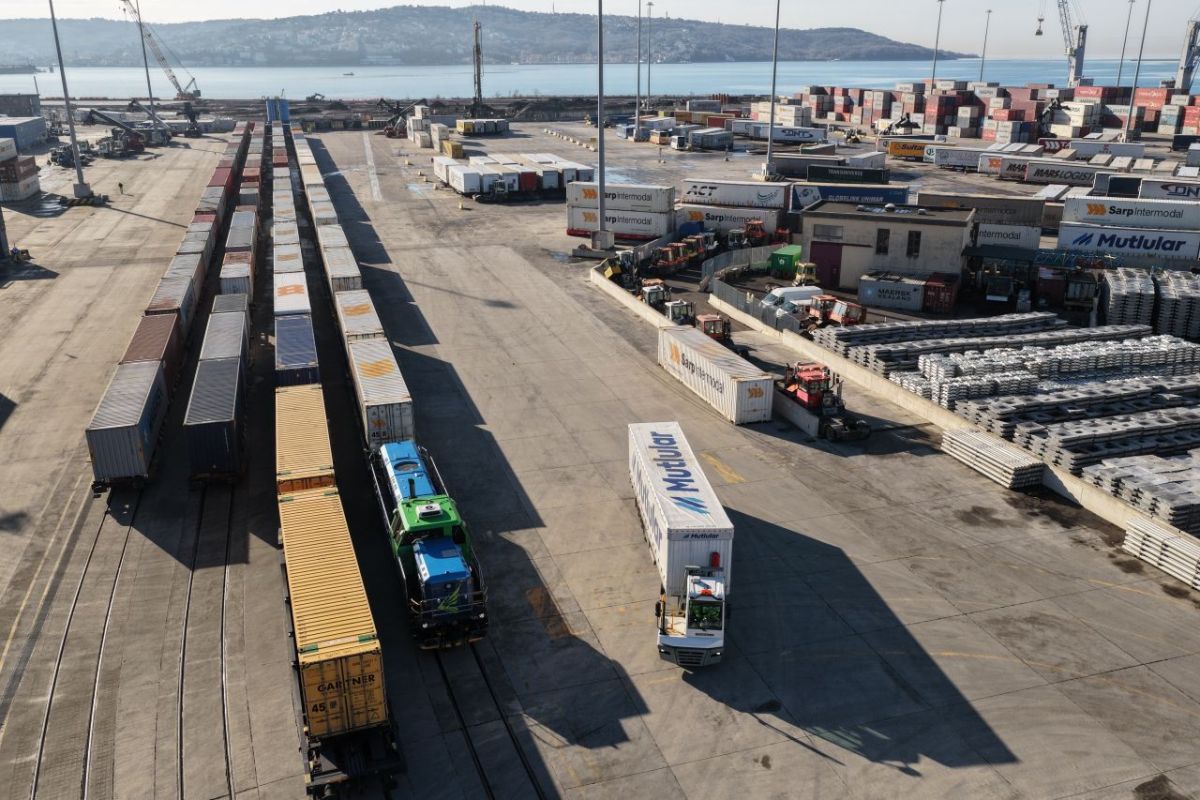
The Morrot terminal, located within the port area of Barcelona, serves as a key logistics node connecting maritime and inland intermodal flows. The current management structure reflects a cross-border collaboration between Spanish and German operators in the field of rail freight logistics. The operational changes come as part of ongoing initiatives to upgrade freight infrastructure and digital integration across transport modes in the Iberian Peninsula.