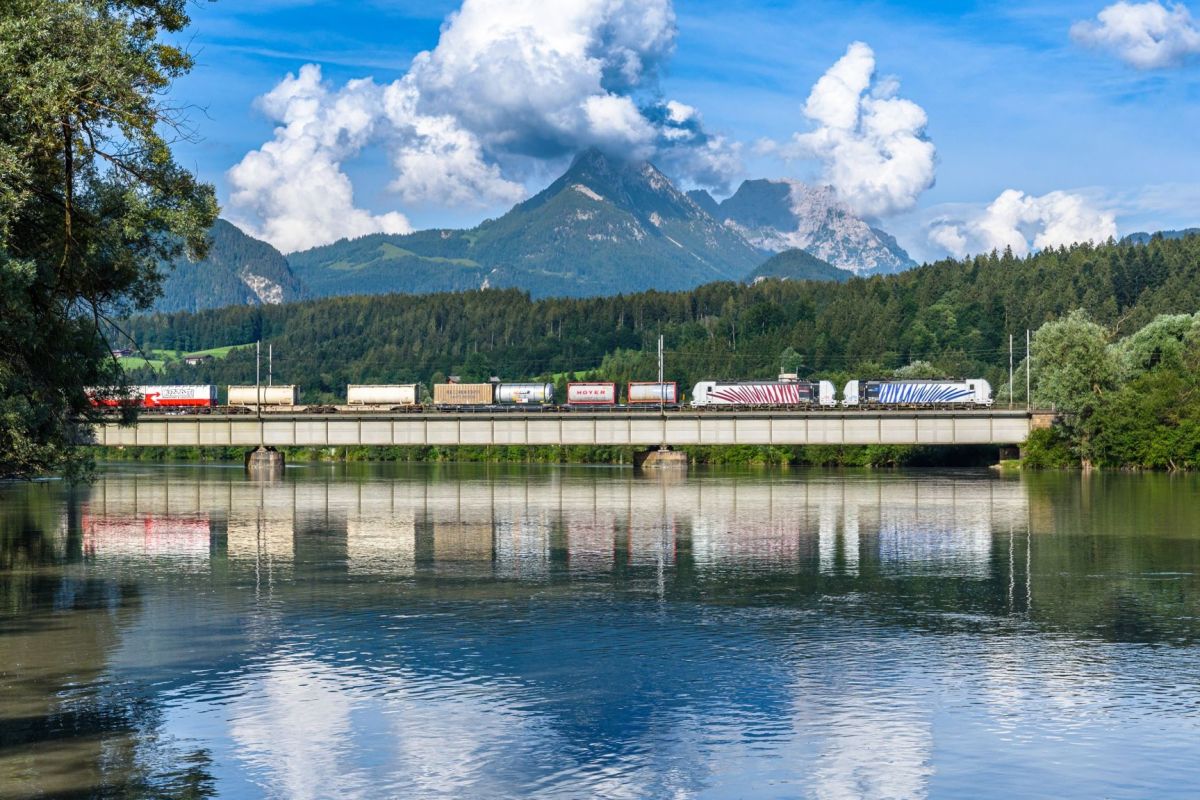
Kombiverkehr handled 665,981 truck consignments in 2025, down 13.5% year on year, as weak demand and disruption from German rail works cut into intermodal volumes.
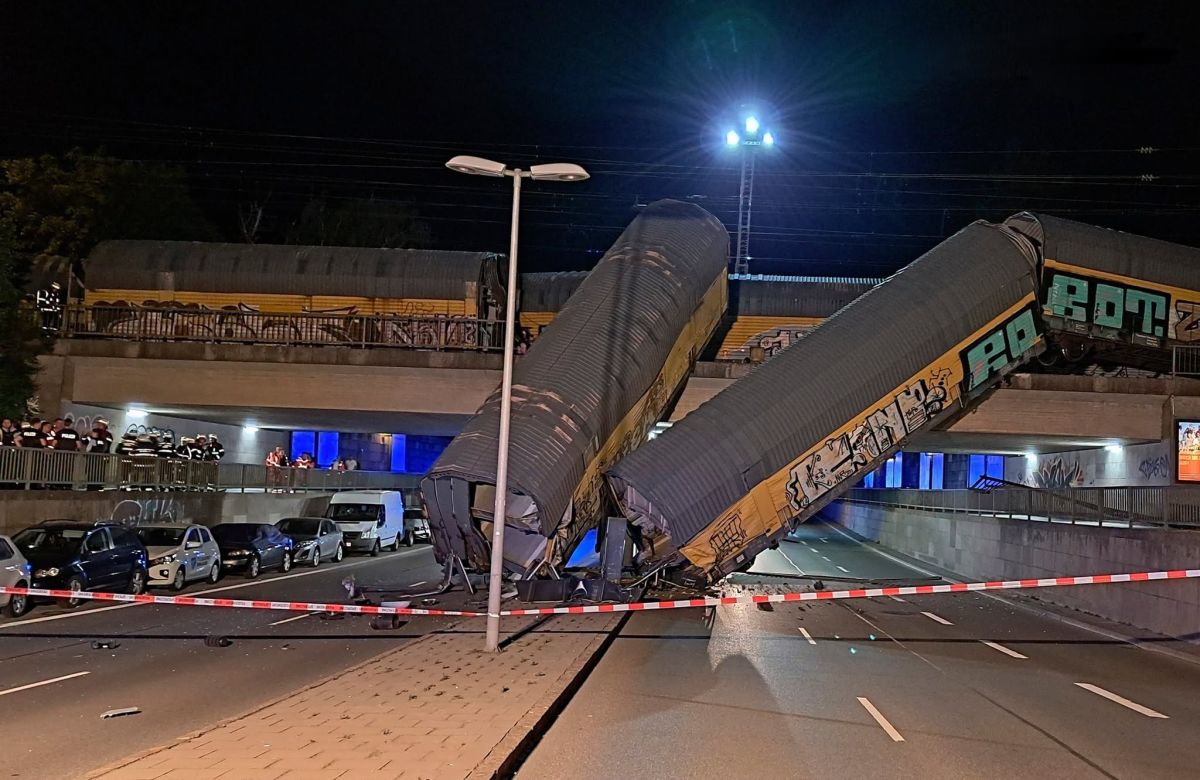
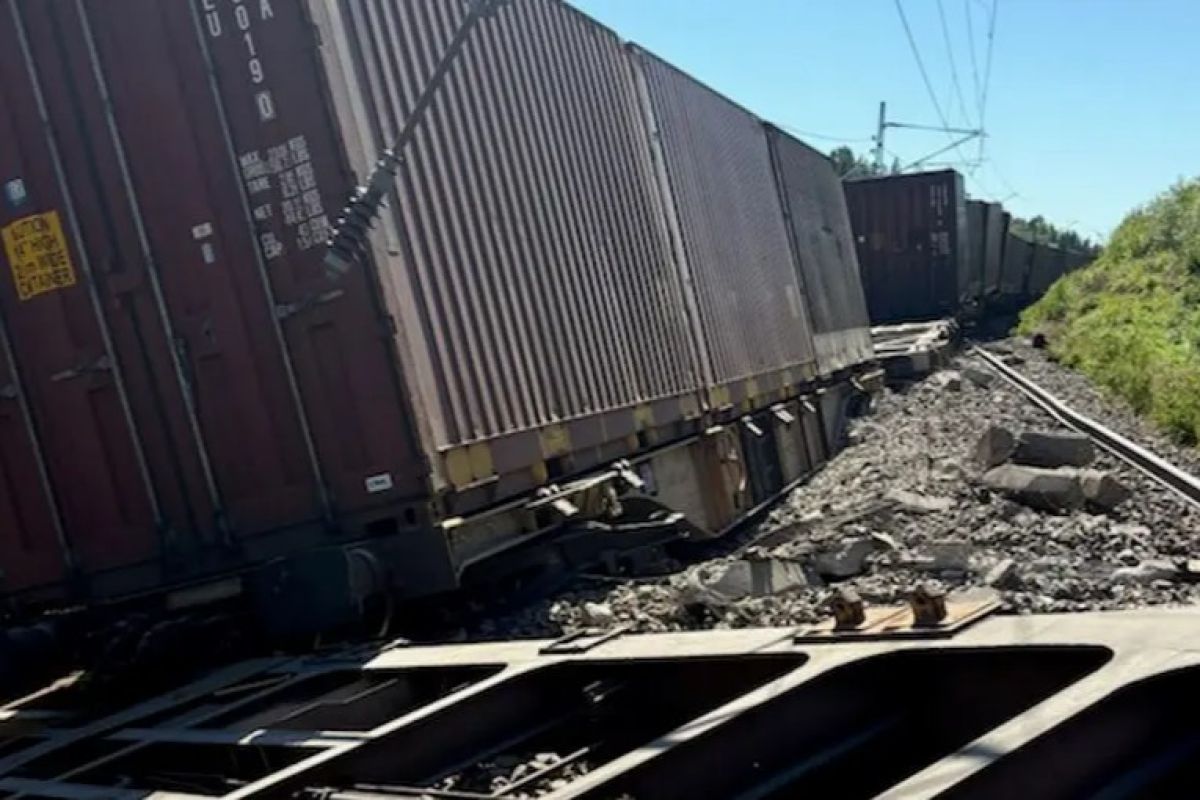
The figures show the pressure on combined transport in Germany at the start of DB InfraGO’s long-term corridor renewal programme. Diversions, longer running times and additional resource needs are raising costs for operators already competing with road freight.
Kombiverkehr is seeking compensation for the extra costs caused by construction-related diversions. Proposals include toll relief for road legs linked to combined transport and reimbursement of additional traction and wagon costs.
The operator still added services in 2025 and early 2026, including higher Brenner capacity, a Lübeck–Verona Quadrante Europa direct train, more Rostock–Verona Interterminal departures, and new links involving Neuss, Poznan, Mortara, Köln-Eifeltor and Duisburg.
Kombiverkehr has also moved deeper into terminal operations. It joined Renfe Mercancías in the UTE Rail Hub Morrot venture at Barcelona Morrot and took over Rail Hub Duisburg operations on 1 January 2026.