Although overall performance remained relatively stable, slight increases in net tonnage and gross tonnage kilometres were noted, partly reversing the previous year's downturn.
Rail Cargo Austria retained its leading position with a market share of 57.3% measured in net tonne-kilometres, a decrease of 0.3 percentage points compared to the previous year.
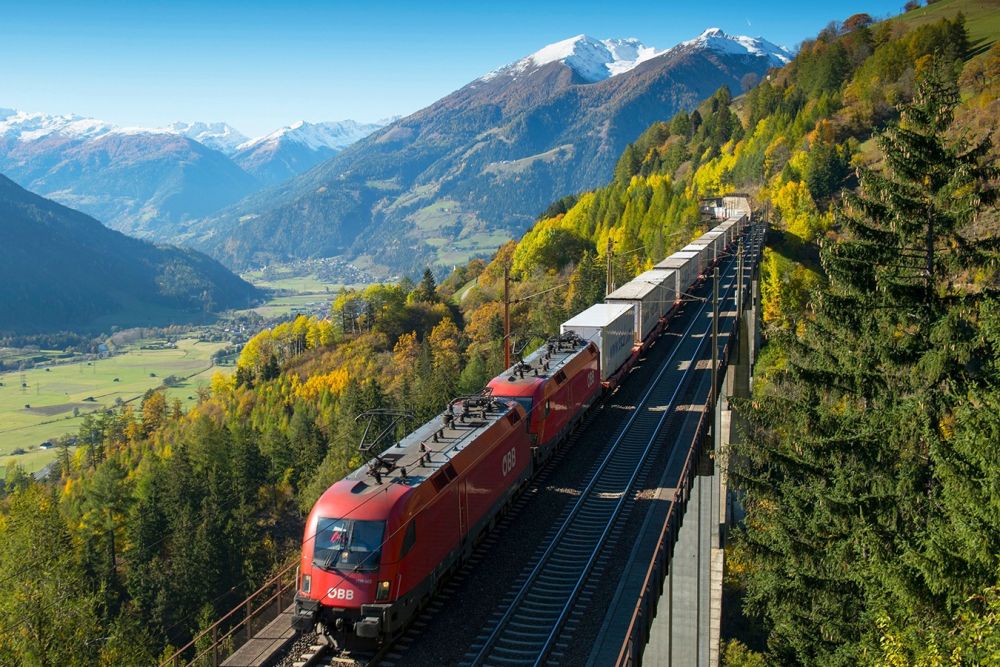
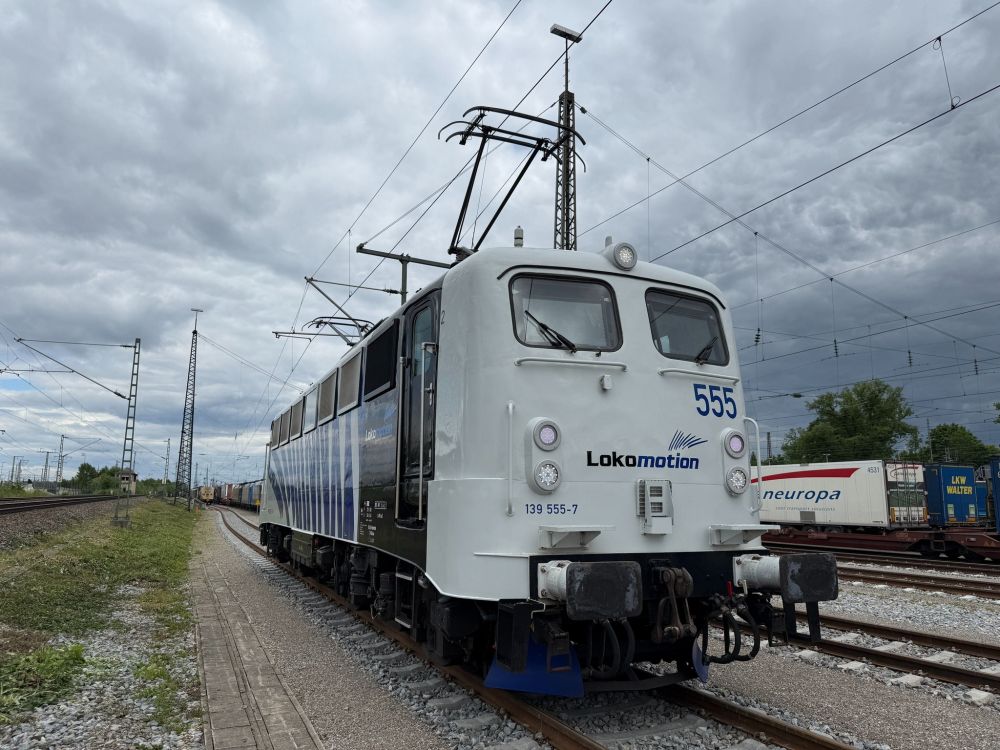
The second-largest group, consisting of privately-owned rail companies including Ecco-Rail, Lokomotion, and CargoServ, reached a combined market share of 27.6%. Ecco-Rail led this group individually with a share of 5.56%, ranking highest among companies not affiliated with the Austrian Federal Railways (ÖBB).
Competition notably intensified on major transit routes, particularly the Brenner and Western axes, where private competitors operated more than half of the rail freight traffic. Although competition increased, the overall operational performance in rail freight remained essentially unchanged, hindered partly by economic conditions and infrastructural issues.
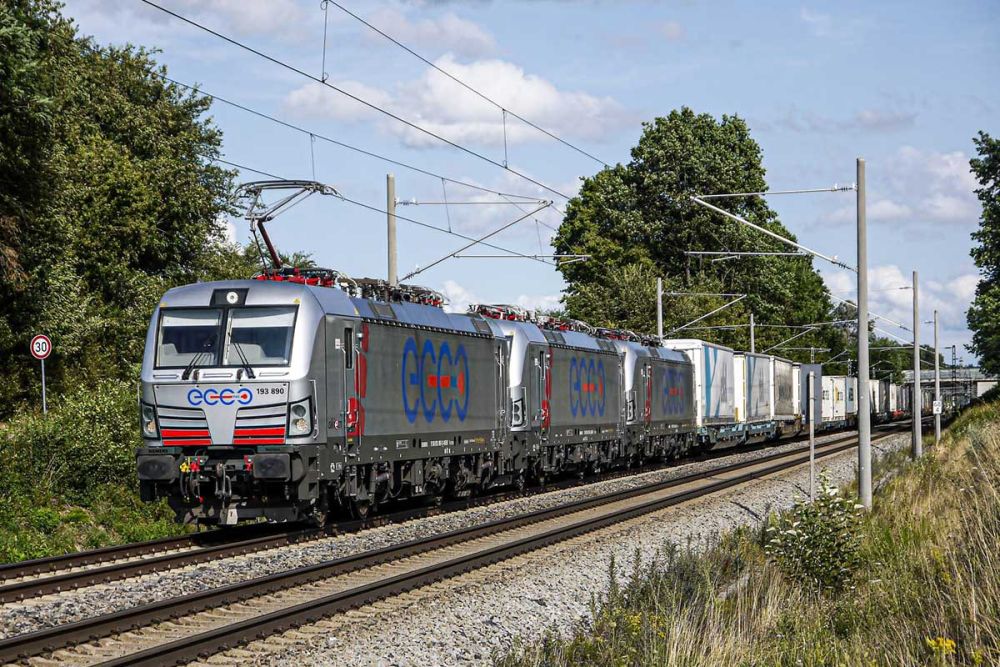
Infrastructure constraints due to construction and maintenance works, especially on critical transit routes, significantly impacted freight operations. The disruption included prolonged closures and diversions due to flooding events, particularly affecting the Tauern route and the Western axis. This led to extensive detours and operational complications.
Nearly one-third of the total freight transport performance in 2024 involved short-term "ad-hoc" track reservations, with private operators accounting for over 40% of these. Increasing volatility in freight traffic emphasized the sector’s ongoing need for more predictable and suitable infrastructure capacity, especially during construction works.
Additionally, market participants indicated continued challenges with interoperability and border-crossing operations due to differences in national regulatory frameworks and technical standards within the EU. The implementation of the European Train Control System (ETCS) and national exceptions to EU Technical Specifications for Interoperability (TSI) remain significant concerns.
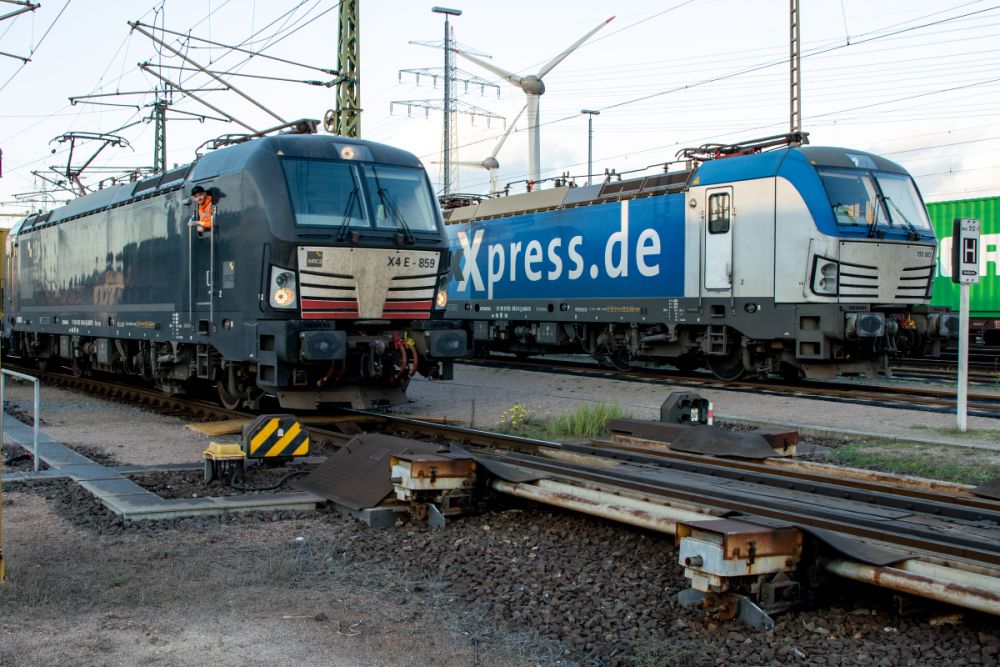
At the end of 2024, a total of 92 railway companies were active in Austria, five more than in the previous year. Among these new entrants were boxXpress and Rail & Sea Traction.
Legislative changes also took place in 2024, with new Austrian railway legislation requiring infrastructure companies to establish capacity models for highly utilized routes, prioritizing freight capacity planning.
Schienen-Control, the Austrian regulatory authority, continued overseeing fair market access and competition, initiating procedures related to track and wagon data transfers, usage conditions for railway infrastructure, and tariff structures.
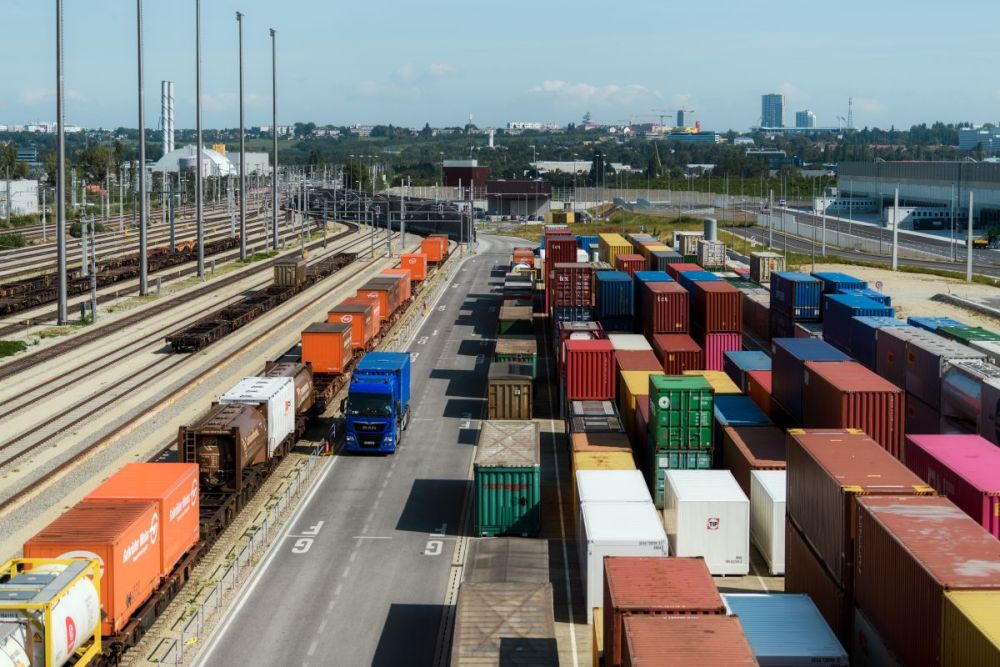
Overall, the Austrian rail freight market concluded 2024 with incremental growth, despite persistent operational and infrastructural challenges.